
How to Optimize Large Equipment Import & Avoid Costly Delays
or complex compliance issues.
clearance and fund security.
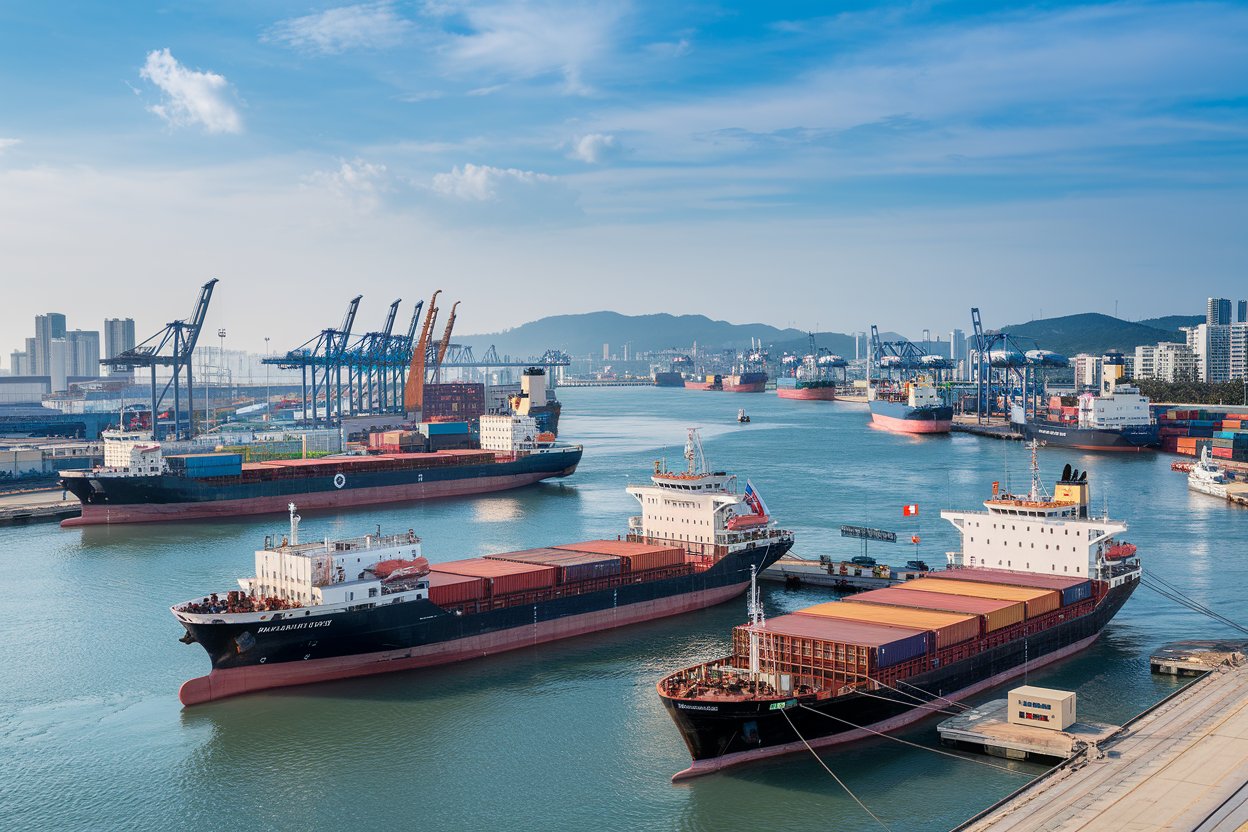
Large-scale53.Complexity Characteristics
The international trade data for 2025 shows that,55.Oversized equipment import business grew by 17% year-on-year56.but the rejection rate reached 34%.Such business involves 8 core aspects including precise HS code classification,special transport permit applications,and mechanical and electrical product certifications.A chemical company once had an $8 million polymerization reactor stranded at port for 42 days due to agency company negligence,incurring additional costs exceeding one million.
57.Core Evaluation Factors for Selecting Agency Companies
58.By comparing customs AEO-certified enterprise databases with industry service provider whitelists,it is recommended to focus on the following dimensions:
- Qualificationverificationsystem
- CustomsAA-ClassManagementEnterpriseCertification(RequirementsoftheNewRegulationsin2025)
- 60.MechanicalandElectricalProductsImportCatalogFilingCertificate
- ClassAqualificationforoversizedtransport
- Customs clearance practical capabilities
- Documentpre-reviewerrorratebelow3‰
- Localtaxpayercoordinationchannel
- Resourcesforusedequipmentimportvalueappraisal
- Logistics solution design
- Portheavyliftingequipmentconfiguration
- InlandtransportrouteGISplanningsystem
- Specialcontainerdispatchingcapability
Three practical strategies for risk prevention
According to the new version of the "Measures for the Import Management of Electromechanical Products" in 2025,it is recommended to adopt the following prevention and control mechanisms:
- TaxPlanninginAdvance
- UtilizethesegmentedVATcollectionpolicyinfreetradezones
- Filingfortaxincentivesonmajortechnicalequipmentimports
- Transport insurance package
- Allrisks+landtransportspecialinsurance
- Additionalclausesforloading/unloadingdamage
- Handling of Quality Disputes
- Third-partyinspectionagencyson-siteloadingsupervision
- Legalvalidityconfirmationoftechnicalspecifications
Comparative analysis of typical service cases
When a semiconductor company imported wafer manufacturing equipment,comparing two agency companies proposals:
- CompanyAproposal
- Estimatedcustomsclearancetime:15workingdays
- Transportsolution:40HQcontainerdisassembledtransport
- Totalcost:12.8%ofequipmentvalue
- Company B proposal
- Estimatedcustomsclearancetime:8workingdays
- Transportsolution:Open-topcontainerwholemachinetransport
- Totalcost:9.2%ofequipmentvalue
Ultimately Company B achievedPort temporary storage agreementandApplication for customs classification advance rulings,reducing actual customs clearance time to 6 working days,saving $270,000 in demurrage fees.
Decision recommendations and implementation path
Enterprises are advised to establish a three-tier evaluation mechanism:
- Preliminaryscreeningphase(1-2weeks):Verifycustomsfilinginformationandvalidatesame-typeequipmentoperationcasesfrompastthreeyears
- Solutioncomparison(3-4weeks):Require3setsoftransport-clearancecombinationsolutionsincludingcontingencyplans
- ContractReview(1week):Focusreviewofliabilitydivisionclauses,especiallydemurragefeeallocationmechanism
The industry trends in 2025 indicate thatSpecialization division of labor increased by 23%,selecting agencies specializing in specific equipment fields often yields better rates and clearance efficiency.Enterprises should establish long-term service provider evaluation files to dynamically track agencies policy interpretation capabilities and resource integration levels.
Was this helpful? Give us a like!
Contact our experts for compliance audits, precise quotes, and one-stop customs support.
Recent Comments (0) 0
Leave a Reply