
Import Agency VAT Invoices | Deduction Timeliness & Compliance Risks Full Breakdown
or complex compliance issues.
clearance and fund security.
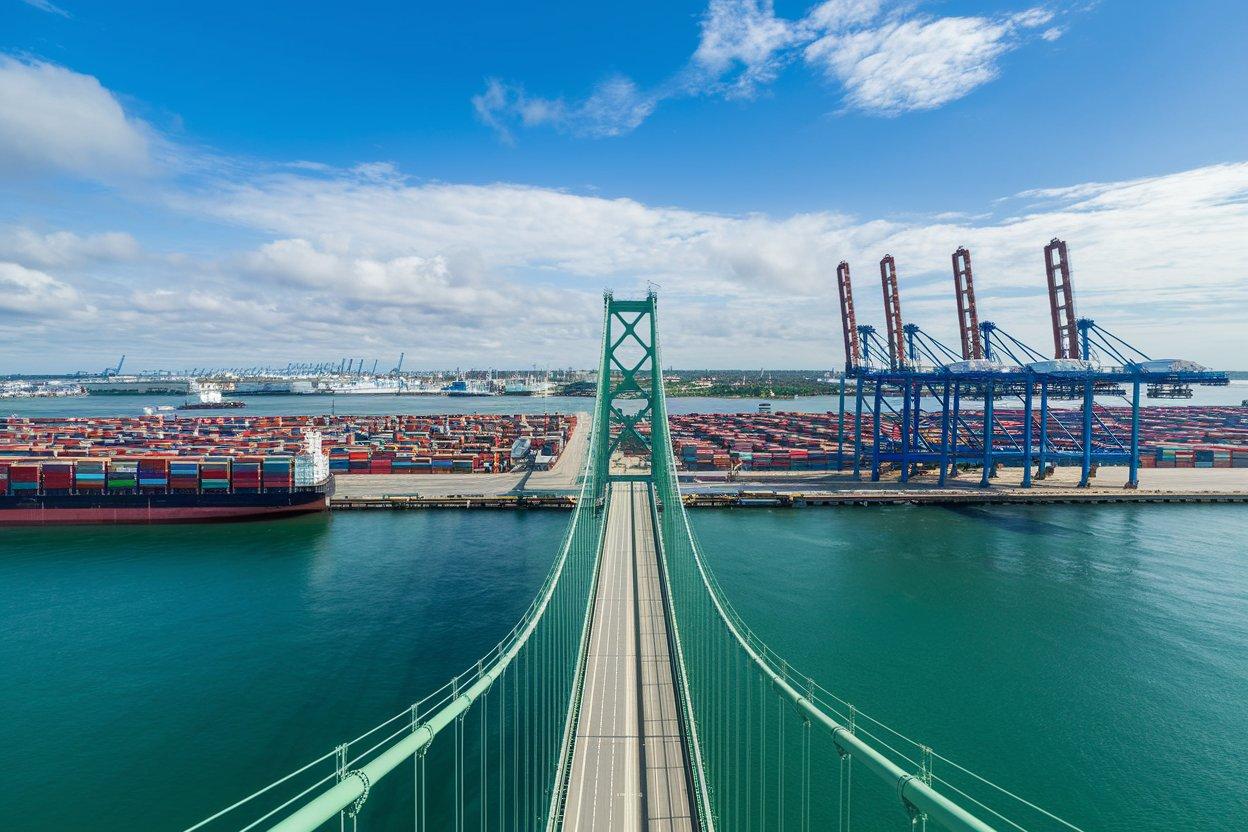
Do you think that just by paying the agency fee,you can sit back and wait for the tax deduction?90% of enterprises have encountered problems during the process of obtaining input invoices.Many purchasing managers assume that everything is fine after the goods are cleared through customs,only to realize during a tax audit that the VAT special invoice in their hands not only cannot be deducted,but may even be classified as a "fraudulent invoice".In business,an invoice is not just a payment voucher.It is the only bridge connecting the customs clearance certificate with the enterprise’s internal tax deduction.Once this bridge is broken,the 13% import value-added tax you have paid will truly become a sunk cost.
Why are agency invoices the "make-or-break point" for tax deductions?
Under the self-operated import model,the enterprise directly holds the "Customs Import VAT Special Payment Receipt" and can deduct it through "customs audit".However,under the agency import model,The "consumption and use unit" on the customs declaration form is you,but the "domestic consignor and consignee" is the agent companyThis means that the nominal tax amount on the customs payment notice belongs to the agency company.
In order for you to deduct this input tax,the agency must issue you a special VAT invoice with a tax rate of 13%.Essentially,the agency first "purchases" the input tax from the customs and then "sells" it to you through invoicing.However,this seemingly simple "transfer" process conceals significant compliance pitfalls.
| Risk dimension | Common Erroneous Operations | Correct and compliant operations | Our Preventive Measures |
|---|---|---|---|
| Invoice item description | The invoice items are generally listed as "goods" and "import agency service fees". | It is necessary to issue the invoice strictly in accordance with the actual product name,quantity,and unit specified on the customs declaration form | The tax bureau refuses to allow the deduction and determines that the invoice and the goods do not match |
| Fund flow direction | The payment for the goods will be directly made by the client to the overseas supplier | The payment must first be made to the agency,and then the agency will make the payment to the outside party | The inconsistency of the three flows indicates that the company is suspected of issuing fake VAT invoices,and may face criminal charges |
| Application of tax rates | The agency only issues invoices for "service fees" at a tax rate of 6% | Must issue full goods invoice at 13% rate (Cargo Value + Tax Amount) | This results in enterprises being unable to deduct the 13% value-added tax paid during the import process |
Standard Operating Procedure (SOP) for Obtaining a Compliant Invoice
To ensure that the input tax is successfully deducted,we cannot rely solely on verbal trust.It is necessary to establish a strict document circulation and verification mechanism.The following are the SOPs that the finance and procurement departments must implement in coordination:
Step 1: Lock in the invoicing elements during the contract signing process Output:
When signing the Import Agency Agreement with the agency company,do not just focus on the agency fee rate.It is essential to clearly stipulate the following in the contract:
- Ticketingtime:Itshouldbeclarifiedwhetherit’s"issuinganinvoiceafterreceivingthecustomsdeclaration"or"issuinganinvoiceafterreceivingthepayment"(itisrecommendedtoissueaninvoiceuponreceiptofthedocumenttoacceleratethedeductionofVAT).
- Invoicecontent:Itisexplicitlyrequiredthatthenameoftheinvoiceitembeexactlythesameasthatonthecustomsdeclarationform,andthetaxrateshallbe13%.
- FundingPath:Ensurethatallpaymentsmustgothroughtheagent’saccount,anditisstrictlyprohibitedtomakeprivateforeignexchangepayments.
Step 2: The "Three Flows Integrated into One" of Fund Transfer Output:
This is the most likely to go wrong part.Please make sure to follow the following funding path:
- Payment:YouwillRMBloan+importduties+agencyfeesPayittotheagencycompany.
- ForeignExchangePayment:Theagencypurchasesforeignexchangeandpaysittooverseasexporters.
- Issueaninvoice:Aftertheagencycompanyreceivesthepayment,itwillissueyouafull-amountVATspecialinvoice.
Step 3: Cross-check the documents Output:
After receiving the invoice,the finance staff must conduct a "three-document verification",which is an indispensable step.
- Customsdeclarationform:Checktheproductname,amount,anddeclarationdate.
- Proxyinvoice:Checkwhethertheamountequals(thevalueofthegoods+customsduties+importvalue-addedtax),andwhetherthetaxrateis13%.
- Banktransactionreceipt:Checkwhetherthepaymentamountmatchesthetotalamountontheinvoice.
Overlooked “Fund Flow” Hidden Bomb
As an industry veteran,the most heartbreaking case I’ve ever encountered wasn’t due to errors in documents,but rather due to attempts to "save on fees".Some companies,in order to avoid paying foreign exchange handling fees or capital utilization fees to their agents,opt to have their domestic companies make payments directly to overseas recipients,leaving the agents solely responsible for completing customs declaration formalities.
In the eyes of tax authorities,this kind of operation is a typical one.“Invoice-Goods-Payment Separation”Although the flow of goods and invoices may seem to be connected,the flow of funds is disrupted: you pay the money to overseas companies,but let the agency company issue invoices for you.Legally,this is easily classified as the agency company "falsely invoicing" VAT for you,or you "laundering money".Once the Golden Tax IV system issues an early warning,you will not only face tax arrears,but also penalties and even criminal responsibility.Remember,In the agency import business,the funds must be transferred through the agency company as an intermediaryThis is the cost of compliance and also a protective moat for security.
5 self-check actions you can do in the afternoon
Don’t wait until the end of the year to review your accounts.This afternoon,please bring your finance team to conduct the following checks:
- Checktheproductnameontheinvoiceofthelatestimporttransaction:Checkwhetherthe"NameofGoodsorTaxableServices"ontheVATinvoiceiscompletelyconsistentwiththe"ProductName"onthecustomsdeclarationform(evenasinglemissingcharacterposesarisk).
- Reviewthecounterpartyinthebanktransactionrecords:Checkthepaymentrecordsofthepastthreemonthstoconfirmwhetherthereareanypaymentsmadedirectlytooverseassupplierswithoutgoingthroughtheagent’saccount.
- Confirmthetaxrateontheinvoice:Checkwhethertherearecaseswherethetaxrateontheimportagencyinvoiceinyourhandisonly6%(thisusuallymeansthatyouhavelost13%oftheinputtaxdeductionamount).
- Updatethetemplateoftheagencyagreement:Ifthecurrentcontractdoesnotexplicitlyincludethe"ThreeFlowsConsistent"clauseandliabilityforbreachofcontract,initiatethelegalamendmentprocessimmediately.
- Calculatethecostofcapital:Iftheagencyrequiresfullpre-financing,calculatewhethertheresultingcapitalcostislowerthanthe13%taxdeductionbenefittoensurethattheaccountscanbereconciled.
Was this helpful? Give us a like!
Contact our experts for compliance audits, precise quotes, and one-stop customs support.
Recent Comments (0) 0
Leave a Reply