
Optimizing Equipment Import: Direct vs. Agency Model Guide
or complex compliance issues.
clearance and fund security.
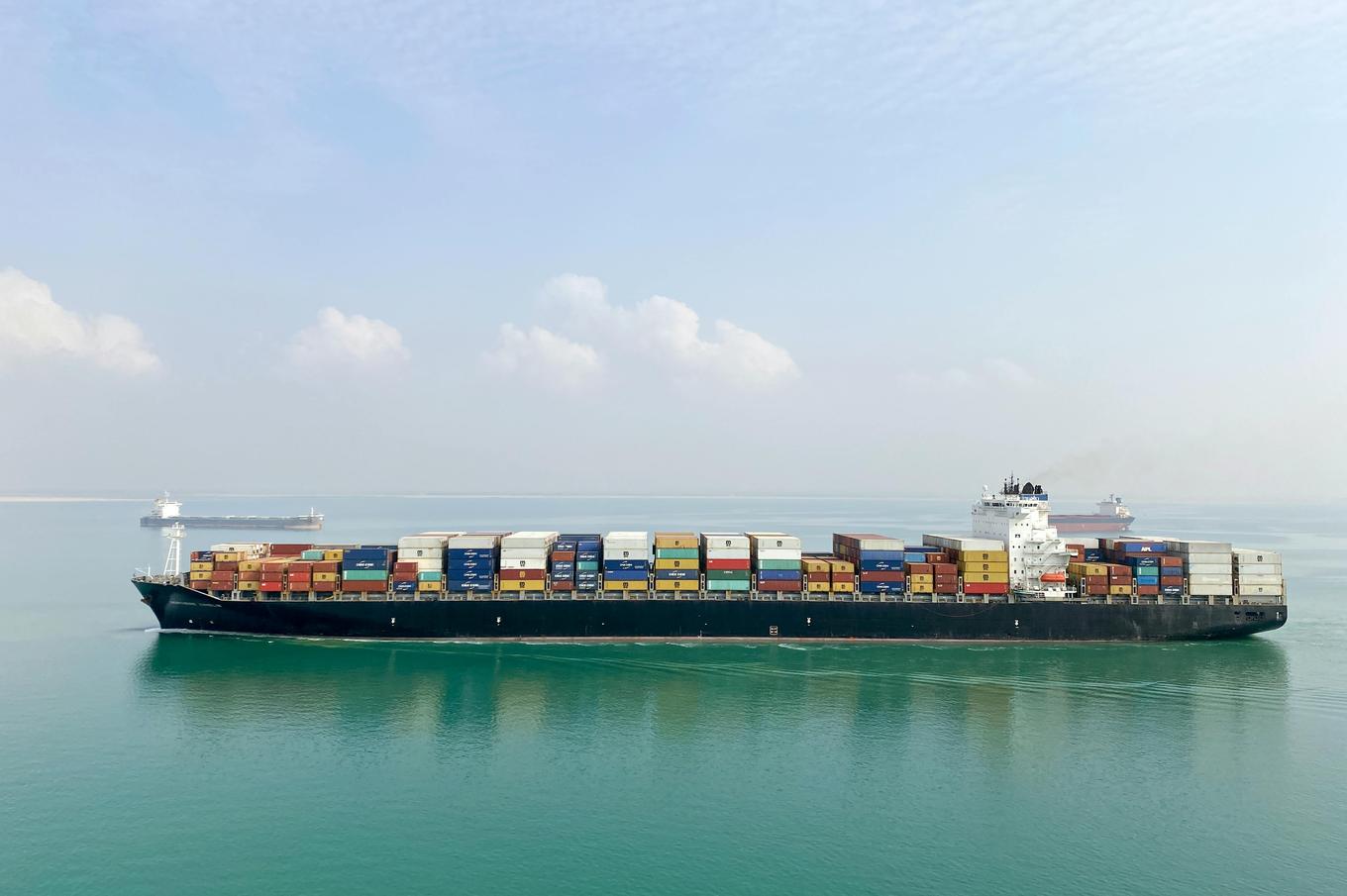
Two equipment introduction paths in international trade
Under the backdrop of the global supply chain reconstruction in 2025,enterprises face two typical models when introducing overseas equipment:Self-import modelwithAgency modeData shows that 35% of Chinas electromechanicalimport value is completed through agency services,with this differentiated choice directly impacting enterprises capital turnover efficiency and trade risk control.
Comparative analysis of basic concepts
Self-imported equipment refers to enterprises establishing direct trade relationships with overseas suppliers,undertaking the completeprocess.In agency model,professional trading companies serve asthe legal import entity,providing end-to-end services from foreign exchange settlement to customs clearance and delivery.
- Legalrelationshipdifferences:
- Self-import:Enterprisesdirectlyassumebuyer-sellerrightsandobligations
- AgencyService:Establishingatripartitecontractualrelationshipamong"enterprise-agent-supplier"
- Qualification requirement differences:
- Self-importrequiresfullqualificationsincludingimport-exportrightsandforeignexchangeaccounts
- Agencymodelonlyrequiresbasicbusinesslicenses
Core operational differences
- Capitaloccupationcomparison:
- Self-modelrequiresfullequipmentpayment+prepaidtariffs
- Agencyserviceallowsnegotiatedinstallmentdeposits(typically30%-50%)
- risk-sharing mechanisms:
- Self-importingenterprisesbear100%traderisks
- Agencycompaniestypicallybearprofessionalriskslikedocumentcomplianceandcustomsdelays
- Time cost composition:
- Newenterprisesrequire45-60workingdaysforself-handledimport-exportregistration
- Theproxymodeenablesan"activateuponsigning"instantoperation.
Typical scenario selection recommendations
According to the latest customs data for 2025,it is recommended that enterprises make decisions based on the following standards:
- Prioritygiventoself-import:
- Large-scaleenterpriseswithannualimportvolumeexceeding$2million
- Involvesspeciallycontrolledfieldssuchasmilitaryandaerospace
- Manufacturerswithstableoverseasprocurementneeds
- Recommended agency services:
- Emergingmarketprocurementforfirsttrialorders
- SMEswithsingleshipmentvaluebelow$500,000
- Introductionofspecialequipmentinvolvingmulti-countrycertifications
Key points of risk prevention and control
After the amendment of the Convention on the Settlement of International Trade Disputes in 2025,it is recommended to pay special attention to the following aspects:
- Self-importingenterprisesMustestablishacompletedocumentmanagementsystem,withemphasisonpreserving:
- Electronicfilingrecords
- Technicalparametercompliancedocuments
- Chainrecordsofpaymentvouchers
- Agency service usersShould focus on reviewing:
- Customscreditratingoftheagent(mustachieveAEOcertification)
- Detailedcompensationclausesintheserviceagreement
- Foreignexchangecontrolresponseplan
Cost-benefit analysis model
Taking the import of $800,000 worth of German precision machine tools as an example:
- Costcompositionofself-import:
- Qualificationmaintenancefee:28,000yuan/year
- Professionalteamcost:150,000yuan/year
- Capitaloccupationcost:approximately42,000yuancalculatedbasedonLPR
- Agency service cost:
- Basicagencyfee:1.2%ofcargovalue($9,600)
- Riskdeposit:30%ofcargovalue($240,000)
- Benefitsfromshortenedcapitalreleasecycle:approximately65,000yuan
The comparison reveals that companies with an annual import frequency of less than three times can save 18%-25% in overall costs by adopting an agency model.It is recommended that enterprises choose the optimal approach based on their actual business scale and,when necessary,adopt a hybrid model of "self-operation + agency" to maximize benefits.
Was this helpful? Give us a like!
Contact our experts for compliance audits, precise quotes, and one-stop customs support.
Recent Comments (0) 0
Leave a Reply