
EU Apparel Imports: China Gains Share Amid Decline
or complex compliance issues.
clearance and fund security.
In the first quarter of 2024,EU clothing imports continued to decline,but the drop was less pronounced.According to the latest data,the year-on-year decrease in EU clothing imports by volume was 2.5% in the first quarter,a significant improvement compared to the 10.5% drop in the same period in 2023.Among them,the import volume of clothing from China showed a counter-trend increase,becoming a highlight.
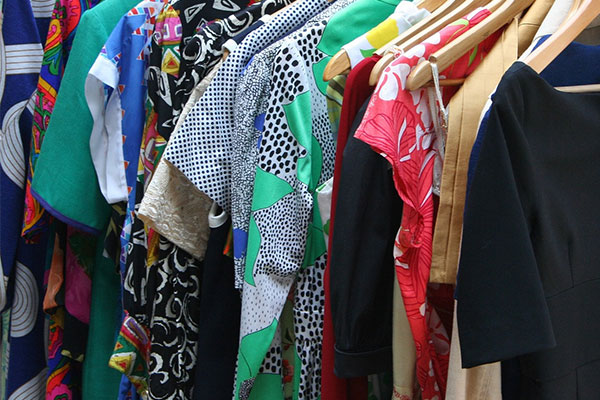
The data shows that in the first quarter of 2024,the EU’s clothing imports from China increased by 14.8% year-on-year,a growth rate that stood out among all major import sources.At the same time,the EU’s clothing imports from Vietnam and Cambodia also increased by 3.7% and 11.9% respectively.Conversely,the EU’s imports from Bangladesh and Turkey decreased by 9.2% and 10.5% year-on-year respectively,and its imports from India fell by 15.1%.
As a result,China’s share of the EU market for clothing has also increased.In terms of quantity,China’s share of EU clothing imports increased from 23.5% in 2023 to 27.7% in 2024.Although Bangladesh’s market share decreased by about 2%,it still maintained its position as the leading supplier.
Behind the changes in EU import volumes were significant shifts in unit prices.Data shows that in Q1,Chinas clothing unit prices fell by 21.4% and 20.4% in EUR and USD terms,respectively.Similar trends were seen in Vietnam,with price drops of 16.8% and 15.8%.In contrast,Turkey and India saw single-digit declines.
Due to falling unit prices,EU clothing import values declined across source countries.Imports from China fell 8.7% in USD terms,while imports from Bangladesh,Turkey,and India dropped 20%,13.3%,and 20.9%,respectively.
Compared to five years ago,EU clothing imports from China and India fell by 16% and 26%,respectively.Meanwhile,Vietnam and Pakistan saw the fastest growth,rising 13% and 18%,while Bangladesh declined by 3%.
In terms of import value,China and India saw the largest declines,while Bangladesh and Turkey performed much better.These changes reflect the dynamic adjustments in the global apparel market and the shifting positioning of different countries in the supply chain.
The counter-trend growth of Chinese apparel in the EU market can be attributed to several factors.First,China has significant advantages in production efficiency and cost control,especially against the backdrop of pandemic-disrupted global supply chains,where the stability and supply capacity of Chinese manufacturing have stood out.Second,improvements in product design and technological innovation by Chinese companies have also made their products more competitive in the market.
In contrast,the decline in apparel exports from Bangladesh and India may be related to their disadvantages in production costs and supply chain stability.Indias apparel export drop is particularly notable,reflecting its challenges in global market competition.
Looking ahead,the import trends in the EU apparel market may be influenced by multiple factors.Global economic uncertainty,changes in consumer demand,and adjustments in trade policies across countries will all significantly impact the EUs apparel import landscape.
For China,maintaining competitiveness in the EU market requires continuous technological innovation and supply chain optimization.At the same time,strengthening trade cooperation with EU countries and adapting to the high-standard requirements of the EU market will be key directions for Chinese apparel companies.
Was this helpful? Give us a like!
Contact our experts for compliance audits, precise quotes, and one-stop customs support.
Recent Comments (0) 0
Leave a Reply