
Textile Agency I/E Full Process | Compliant Declaration to Cost Reduction | 8 Key Nodes
or complex compliance issues.
clearance and fund security.
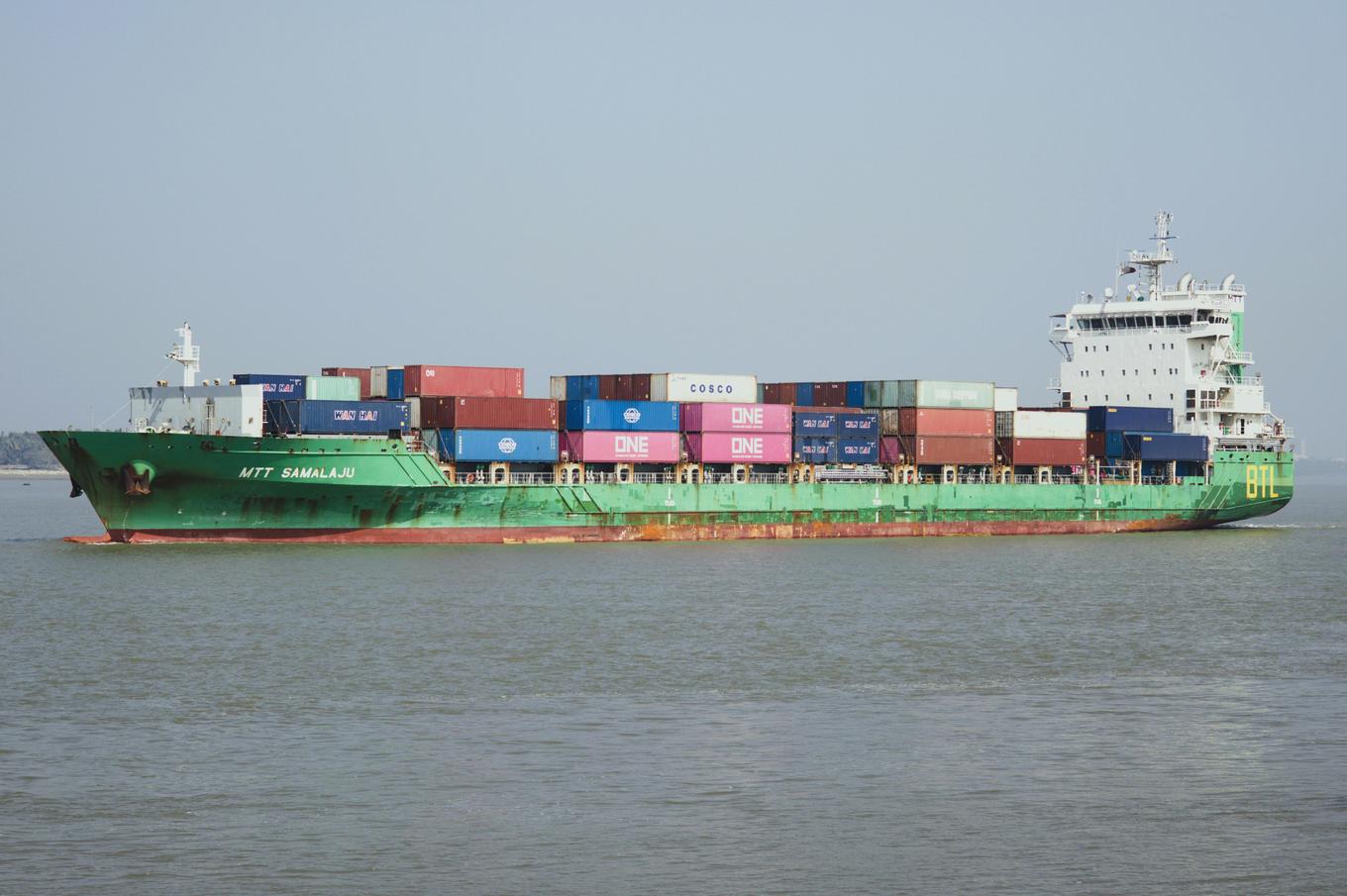
With the deepening of tariff concession policies under the Regional Comprehensive Economic Partnership (RCEP) and the implementation of new environmental protection regulations in Europe and the United States (such as the European Union’s EPR),traditional textile agents are facing new challenges.The operating model of the industry is facing the dual challenges of rising compliance costs and fluctuating logistics efficiency.Many business owners have found that seemingly standardized agency processes often result in entire batches of goods being held up in ports due to omissions in a single step,such as errors in ingredient labeling,during actual implementation.
In-depth breakdown: 3 cognitive misconceptions and compliance cost structures of textile agency I/E
The complexity of textile import and export agency stems from the overlapping of "dynamic compliance requirements" and "fragmented supply chain links".Taking the EU EPR as an example,since 2026,the requirements for textile packaging and ingredient traceability have shifted from voluntary to mandatory.Meanwhile,the RCEP’s rules of origin require precise calculation of the regional value content (RVC) of yarns,fabrics,and finished products.These regulatory changes have directly driven up "implicit compliance costs" - according to industry surveys,the number of cases of goods being detained at ports due to label non-compliance increased by 47% in 2023 compared to the previous year.
| Common Cognitive Biases | Real risk points | Correct operating standards |
|---|---|---|
| The agency handles everything = no worries at all | The agent may conceal compliance details (such as errors in ingredient labeling),resulting in the goods being detained at the port of destination | Companies need to keep core documents such as ingredient testing reports and supplier compliance declarations |
| It’s enough to get the environmental certification only once | Different countries/batches have different requirements for certification validity and standards (such as OEKO-TEX? batch sampling inspections). | Establish a tracking table for the validity period of certifications and initiate the renewal/new certification process 90 days in advance |
| When choosing a logistics company,we only consider the cost of shipping | The insufficient customs clearance capacity of the port of destination (such as the special requirements of the US FDA for textile labels) results in delays in customs clearance at the port of destination | Require the agent to provide data on the clearance efficiency (including the detention rate) at the destination port in the past six months. |
Textile Agency I/E Full Process SOP | 8-step compliance closed-loop from docs to logistics
Step 1: Prepare the core documents (compliance basics) Output:
- Componenttestreport:Thereportmustcoverthefibercompositionofthefabric(suchastheproportionofpolyesterfiberandcotton),thesafetyofthedyes(incompliancewithOEKO-TEXorREACHstandards),anditmustbeissuedbyaCNAS-certifiedinstitution,withavalidityperiodofnomorethanoneyear.
- :IftheRCEPapplies,itisnecessarytoapplytothecustoms7workingdaysinadvancetoensuretheaccuracyoftheregionalvaluecontent(RVC)calculation(itisrecommendedtousethe"formulamethod":RVC=(FOBprice-non-regionaloriginmaterialsprice)/FOBprice×100%).
- LabelComplianceDocument:TheEUmarketrequirestheprovisionofanEPRregistrationnumberandapackagingrecyclingdeclaration,whiletheUSmarketrequiresthelabelingof"CareInstructions"(washinginstructions)andthepercentageoffibercomponents.
Step 2: “Four-dimensional assessment” of agency service providers Output:
- ComplianceAbility:Itisrequiredthattheagentprovideaproofof"noviolationofregulations"inthepast12months(whichcanbeverifiedthroughtheCustomsEnterpriseCreditSystem).
- Logisticsnetwork:Thekeyevaluationfocusesonthecustomsclearanceteamatthedestinationport(e.g.intheUnitedStates,theymusthaveFDAregistrationqualifications;intheEuropeanUnion,theymustbefamiliarwiththeEPRdeclarationprocess).
- CostStructure:Comparedwiththe"lump-sumprice"andthe"itemizedquotation",bewareofthehidden"demurragesurcharge"oflow-priceagents.
- EmergencyResponse:Itisrequiredtoprovide"solutionswithin48hoursafterthegoodsarriveinHongKong"(suchastemporarystorageandchannelsforcompliancerectification).
Step 3: Dynamic compliance pre-check (risk prevention in advance) Output:
Output:
- ComplianceAbility:Itisrequiredthattheagentprovideaproofof"noviolationofregulations"inthepast12months(whichcanbeverifiedthroughtheCustomsEnterpriseCreditSystem).
- Logisticsnetwork:Thekeyevaluationfocusesonthecustomsclearanceteamatthedestinationport(e.g.intheUnitedStates,theymusthaveFDAregistrationqualifications;intheEuropeanUnion,theymustbefamiliarwiththeEPRdeclarationprocess).
- CostStructure:Comparedwiththe"lump-sumprice"andthe"itemizedquotation",bewareofthehidden"demurragesurcharge"oflow-priceagents.
- EmergencyResponse:Itisrequiredtoprovide"solutionswithin48hoursafterthegoodsarriveinHongKong"(suchastemporarystorageandchannelsforcompliancerectification).
Step 3: Dynamic compliance pre-check (risk prevention in advance) Output:
72 hours before the goods are shipped,three pre-inspections must be completed:
- TherelationshipbetweentagsandinspectionreportsConsistencycheck(e.g.ingredientlabelingerror≤3%);
- ThecertificateoforiginRVCReview(Self-checkviaGACC“SmartOriginAuditSystem”);
- ThelogisticssolutionCompliancematching(e.g.EUEPRcargomustusedesignated“environmentallogisticschannels”).
Invisible risk points: The trap of "minor errors" in rules of origin
Many companies believe that "as long as they obtain the certificate of origin,they are in compliance",but there are some hidden pitfalls in the "cumulative rule" for textiles in the RCEP rules of origin.If the fabric is produced in Vietnam and the finished products are assembled in China,they need to simultaneously meet the regional value accumulation (RVC≥40%) of "yarn-fabric-finished products".A common mistake is:The "fabric import price" was mistakenly included in the non-regional costs.This results in an overestimated RVC calculation,which ultimately leads to the customs authorities of the destination country retroactively imposing additional taxes (for example,South Korea requires an accuracy rate of ≥95% for RVC verification of textile products).
There are three optimization actions that can be launched today.
- Documentaudit:Organizetheimportandexportdocumentsofthepastthreemonths,withafocusoncheckingwhethertheingredientlabelingandthecalculationoftheRVCcertificateforthecertificateoforigincomplywithregulations.
- AgentEvaluation:Requestthe"PortofDestinationCustomsClearanceEfficiencyReport"(includingthedetentionrateandaveragecustomsclearancedurationoverthepastsixmonths)fromtheexistingagent.
- CertificationLedger:Establishan"CertificationValidityTrackingForm",andmarktheexpirationdatesofcertificationssuchasOEKO-TEXandEPRwitha90-dayearlywarningnotice.
Was this helpful? Give us a like!
Contact our experts for compliance audits, precise quotes, and one-stop customs support.
Recent Comments (0) 0
Leave a Reply