
Brake Fluid Reservoir Import: A Guide to Compliance & Efficiency
or complex compliance issues.
clearance and fund security.
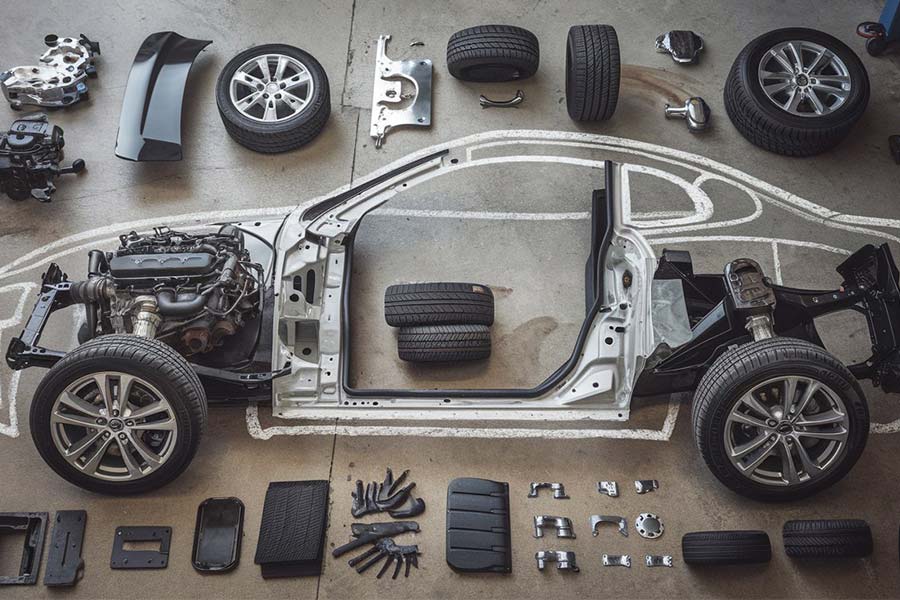
Professional Analysis: Brake Fluid ReservoirEnd-to-End Process and Key Strategies
——Practical Insights from a 20-Year Experienced Account Manager
As one of the core components of automotive braking systems,the import of brake fluid reservoirs requires stringent product quality,technical certifications,and supply chain efficiency.Over 20 years ofagency services,we have identified the core challenges and solutions for importing auto parts like brake fluid reservoirs,helping clients achieve compliant,efficient,and cost-effective global procurement.
Current Market Status and Trends in Brake Fluid Reservoir Imports
1.Surge in Global Procurement Demand
With the expansion of Chinas automotive aftermarket andupgrading of the automotive industry chain,the import demand for high-performance brake fluid reservoirs (such as heat-resistant,lightweight PA66-GF30 material products) continues to grow,mainly sourced from Germany,Japan,the US,and Southeast Asian manufacturing bases.
2.Technical Barriers and Certification Thresholds
- ChinaMarketAccessRequirements:CCCcertification(forcertainvehiclemodels),GB12981-2012brakefluidcompatibilitystandard;
- InternationalCertifications:EUE-markcertification,USDOTstandard,IATF16949system;
- EnvironmentalRegulations:REACHandRoHSrestrictionsonhazardoussubstancesinmaterials.
Comprehensive Analysis of Brake Fluid Reservoir Import Process
Stage 1: Supplier Qualification Review and Product Compliance Pre-Inspection Output:
- FactoryAudit:VerifyifsuppliershaveOEMsupplyqualificationstoavoidrisksoftradersposingasmanufacturers;
- TechnicalDocumentVerification:Includesproductdrawings,materialreports,testcertificates(suchasburstpressureandsealingtests);
- HSCodePre-Classification:Recommendedclassificationunder8708(brakingsystemparts),requiringclearmaterialandusagetoavoidclassificationdisputes.
Special planand Tariff Cost Optimization Output:
- Transportationplan:Smallbatchesvia/express(EMS/DHL);largebatchesprioritizeFCL(avoidLCLcargodamage);
- Tariffplanning:
- utilize(suchasASEANFORME,RCEPagreementtariffs);
- ValuationDisputeResolution:Providetransactiondocumentsandrelatedtransactionexplanationstopreventcustomspricechallenges.
Stage 3: Fast Customs Clearance and Risk Management Output:
- Keypointsofdeclaration:Accuratedeclarationofmaterials(e.g.PAplastic),models(compatiblevehiclemodels),andusage(maintenance/productionmatching);
- InspectionContingencyPlan:PreparetestreportsandChineselabelsinadvance(mustindicatefactoryname,executionstandard,productiondate);
- EmergencyResponse:Initiatecontingencyplanssuchasbondreleaseandtechnicalrectificationtoaddressrisksofportdetentionorreturnshipment.
III.Core Value of Import Agency Services
Output:
- Transportationplan:Smallbatchesvia/express(EMS/DHL);largebatchesprioritizeFCL(avoidLCLcargodamage);
- Tariffplanning:
- utilize(suchasASEANFORME,RCEPagreementtariffs);
- ValuationDisputeResolution:Providetransactiondocumentsandrelatedtransactionexplanationstopreventcustomspricechallenges.
Stage 3: Fast Customs Clearance and Risk Management Output:
- Keypointsofdeclaration:Accuratedeclarationofmaterials(e.g.PAplastic),models(compatiblevehiclemodels),andusage(maintenance/productionmatching);
- InspectionContingencyPlan:PreparetestreportsandChineselabelsinadvance(mustindicatefactoryname,executionstandard,productiondate);
- EmergencyResponse:Initiatecontingencyplanssuchasbondreleaseandtechnicalrectificationtoaddressrisksofportdetentionorreturnshipment.
III.Core Value of Import Agency Services
1.Compliance guarantee
- Preemptivelyassessupdatestotechnicalregulationsintargetmarkets(e.g.EUsnewregulationECER90);
- Assistincompletingcertificationconversions(e.g.matchinginternationalstandardtestreportswithChinesenationalstandards).
2.Logistics Cost Control
- Door-to-doorlogistics:Fromoverseasfactorypickuptodomesticwarehousedistribution,withfull-processvisualtracking;
- Bondedwarehousing:Utilizefreetradezonewarehousinganddistributiontoalleviatecapitaloccupationpressure.
3.Cost control strategies
- Exchangeratelocking:Useforwardtoolstohedgeagainstexchangeratefluctuations;
- Taxoptimization:Reasonablyutilizetemporarypolicies(e.g.forR&Dtestingpurposes).
IV.Case Study: Avoiding Anti-Dumping Duties and Quality Claims
Case Background: A client imported PA-material brake fluid reservoirs from Thailand,which were questioned by customs for misclassification (suspected under HS code 3926 for plastic products,facing a 6.5% anti-dumping duty).
Solution:
- SubmittedproductdrawingsandOEMsupplyagreementstoprovetheywerespecializedautomotiveparts;
- Appliedforadvanceclassificationruling,ultimatelydeclaredunder8708.30,reducingthedutyrateto3%andsaving$120,000intaxes.
V.Industry Recommendations and Future Outlook
1.Trend Forecast:
- Integrateddesignofnewenergyvehiclesdrivesdemandforcombinedimportsofbrakefluidreservoirsandpumpassemblies;
- Aftermarketdemandsurgesforvehicle-specificmodelscompatiblewithmainstreamplatforms(e.g.VolkswagenMQB,ToyotaTNGA).
2.Since January 2025,Russia has made it mandatory to register for EPR (Extended Producer Responsibility):
- BewareoforiginlaunderingrisksinSoutheastAsiantransshipments(e.g.viaMalaysiatoevadeU.S.tariffs);
- Strengthenqualitytraceability:Requiresupplierstoprovidebatchnumbersandwarrantyagreementstopreventafter-salesclaims.
Conclusion
Brake fluid reservoir imports are far from simple declaration-only customs clearance—they require a multi-dimensional risk control system covering technical compliance,supply chain coordination,and tax planning.As professional import agents,we are committed to maximizing import value through proactive services (e.g.supplier compliance screening,advance classification) and end-to-end data management.
Keywords: Brake fluid reservoir import agency,auto parts customs clearance,CCC certification,tariff optimization,IATF 16949
Was this helpful? Give us a like!
Contact our experts for compliance audits, precise quotes, and one-stop customs support.
Recent Comments (0) 0
Leave a Reply