
Ignition Coil Import: Process, Compliance & Risks
or complex compliance issues.
clearance and fund security.
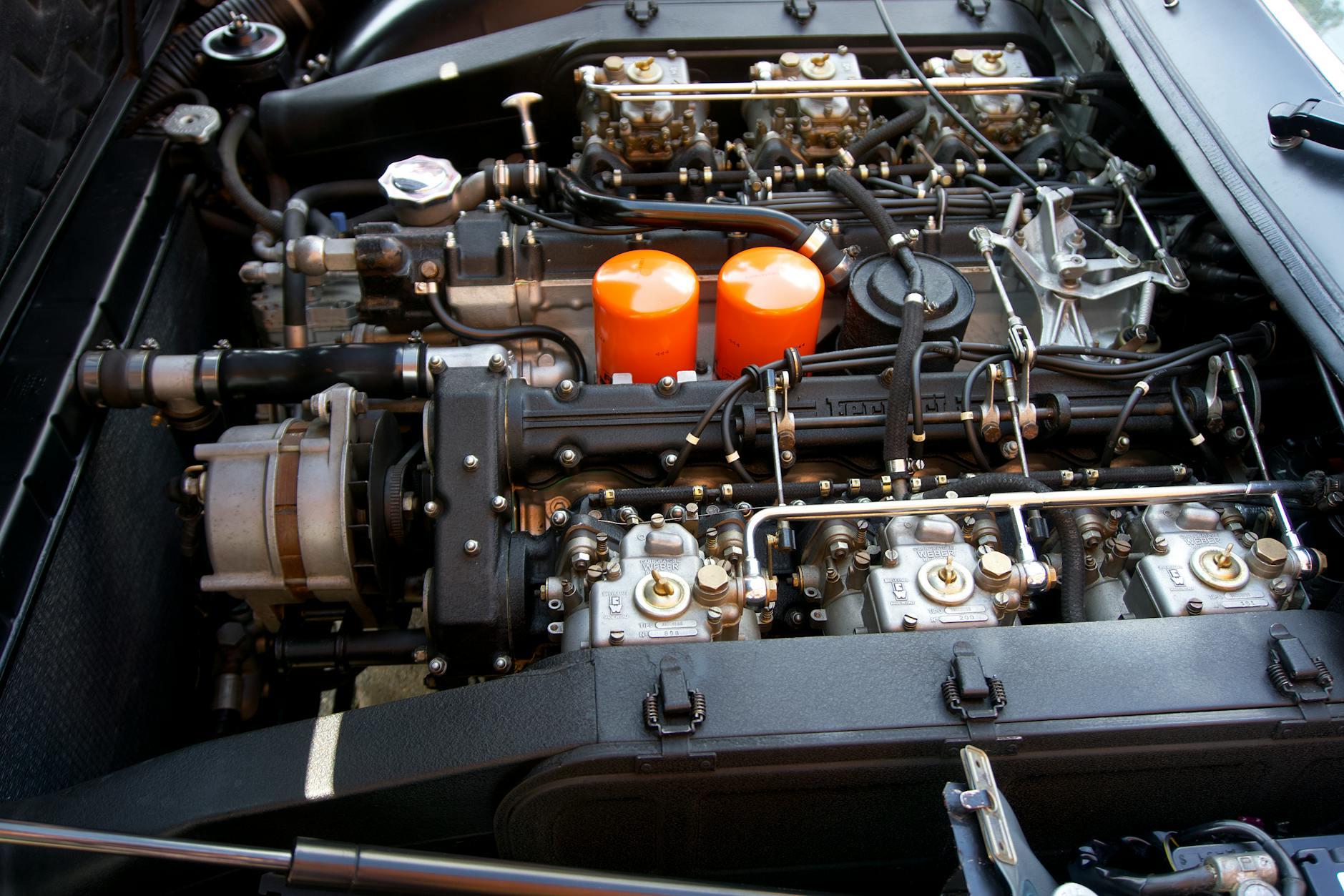
I.Industry Background: The Core Value of the Ignition Coil Import Market Output:
The ignition coil,as a core component of the automotive engine ignition system,directly affects vehicle power performance,fuel efficiency and emission standards.With the growth of the global automotive aftermarket demand and the upgrading of traditional parts driven by the Chinese automotive industry,the import of ignition coils shows the following trends: Technology - driven market
1.: There is a sharp increase in the demand for high - precision ignition coils in high - end models of European,American and Japanese brands (such as Mercedes - Benz,BMW,Lexus).Their imported products have technical barriers in terms of high - temperature resistance and electromagnetic compatibility.: Demand for supply chain localization
2.: Domestic original equipment manufacturers (OEMs) gradually shift to a hybrid supply chain model of + local warehousing in order to reduce procurement costs.: Domestic OEMs are gradually shifting to+ local warehousing hybrid supply chain models to reduce procurement costs;
3.Policy Orientation: After the implementation of the National VI Emission Standard,imported ignition coils compliant with ISO 9001/TS 16949 certification have become a necessary requirement for compliance.
II.Dissection of the Entire Import Agency Process of Ignition Coils (Taking the EU as an Example) Output:
Step 1: Supplier qualification review and technical matching
- KeyPoints:
- VerifyEUsupplierIATF16949certificationandREACHcompliancereports;
- Confirmthematchingofproductparameters(suchasprimary/secondarycoilresistancevalues,operatingvoltagerange);
- RequiretheprovisionofaUN38.3testreport(forsmartignitioncoilscontaininglithiumbatteries).
Step 2: Trade terms negotiation and cost modeling
- Keyactions:
- AdopttheDDP(DeliveredDutyPaid)termtoreducethecustomerscapitaloccupationandavoidtheriskofexchangeratefluctuations;
- Costaccountingformula:CostInsuranceandFreight(CIF)cost=FreeonBoard(FOB)price+Insurancepremium(0.3%-0.5%)+Tariff(8%)+Value-addedtax(13%)+Portmiscellaneousfees(about¥1800/container)
- UtilizeReplace sea transportation with railway transportation,shortening the transit time from Europe to Chongqing/Chengdu to 18 days (saving 15 days compared to sea transportation).
Step 3: Customs clearance compliance management
- BreakthroughofDifficulties:
- HScodeclassification:Under8544.30,itisnecessarytodistinguishbetween“ignitioncoils”and“ignitionmoduleassemblies”;
- Exemption:Asinglebatchwithanimportvaluebelow$500mayapplyforexemption(astatementofintendedusemustbeprovided);
- InspectionoftheIPPCmarkonwoodenpackaging(amandatoryinspectionitemforexportstotheEU).
Step 4: Domestic distribution and after-sales coordination
- Value-addedServices:
- EstablishabondedwarehouseVMIinventorytosupportthecustomersJIT(Just-in-Time)procurement;
- Provideend-usertraceabilitylabelservices(suchasQRcodeanti-counterfeiting+technicalparameterdatabase).
III.Risk Prevention and Control and Analysis of Typical Cases Output:
Risk 1: Return of goods due to non - compliance of technical parameters
- WeServe:TheignitioncoilofacertainGermanbrandwasreturnedafterbeinginspectedbythecustomsbecausetheresistancevalueofthesecondarycoil(15kΩ)exceededthedomesticinspectionstandard(12kΩ±10%).
- Solution:
- Pre-inspectionofincominggoodsbyapre-arrangedthird-partyinstitution(suchasSGS);
- Adda“technicalcomplianceguaranteeclause”tothepurchasecontract.
Risk 2: Intellectual property infringement
- WeServe:ImitatedproductsoftheappearancepatentoftheJapaneseDENSObrandweredetainedbythecustoms.
- Countermeasure:
- Requirethesuppliertoissuebrandauthorizationchaindocuments(completeauthorizationfromOEMtodistributionlevel);
- Usethecustomsintellectualpropertyfilingsystem(No.HK-2023-IGC-00521)forpre-screening.
IV.Industry Outlook: Adjustment of Import Strategies under the New Energy Transformation Output:
1.Opportunities for Hybrid Vehicles: Plug - in hybrid electric vehicles (PHEV) still rely on high - voltage ignition systems.It is recommended to target leading suppliers such as Bosch and Delphi;
2.Trend of Alternative Materials: Ceramic cores replace traditional epoxy resins,and it is necessary to arrange relevant import qualifications in advance (such as FDA food - grade contact certification);
3.Digital service upgrade: Achieve full - process traceability from the factory to the repair shop through blockchain technology (such as the application of Hyperledger Fabric).
Conclusion
The import agency of ignition coils has shifted from simple logistics services to in - depth cooperation in technical compliance management + supply chain finance integration.Choosing an agency with mechanical and electrical access qualifications,a global port service network,and a technical team will become the core competitiveness for enterprises to reduce costs and increase efficiency.
Was this helpful? Give us a like!
Contact our experts for compliance audits, precise quotes, and one-stop customs support.
Recent Comments (0) 0
Leave a Reply