
Import Special Equipment: Your Guide to Process & Key Steps
or complex compliance issues.
clearance and fund security.
Navigate the complexities of importing special equipment with this comprehensive guide.Learn essential steps,regulatory requirements,and critical precautions for smooth customs clearance and successful project execution.Make informed decisions.
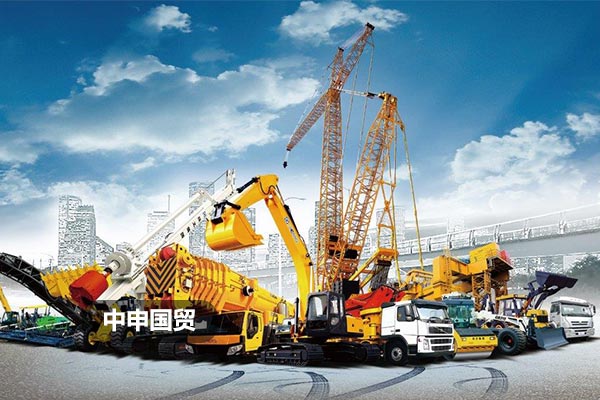
What is special equipment?
Special equipment refers to boilers,pressure vessels (including gas cylinders),pressure pipelines,elevators,lifting machinery,passenger ropeways,large amusement facilities,and specialized motor vehicles for industrial sites that pose significant risks to personal and property safety,as well as other equipment specified by laws and administrative regulations.
Key considerations for declaring imported special equipment
(1) Provide the "Special Equipment Type Test Certificate": For imported equipment such as pressure pipelines,elevators,lifting machinery,passenger ropeways,large amusement facilities,and special motor vehicles within the site (factory),which are listed in the "Special Equipment Safety Law" and the "Special Equipment Catalog," enterprises are required to submit the "Special Equipment Type Test Certificate" through China’s International Trade "Single Window" system.

(2) Provide the "Special Equipment Manufacturing License": For imported boilers and pressure vessels listed in the "Special Equipment Safety Law" and the "Special Equipment Catalog," enterprises are required to submit the "Special Equipment Manufacturing License" on the goods declaration interface of the "Single Window System."

(3) Inspection considerations upon arrival: Customs will inspect imported special equipment based on inspection instructions,including packaging,appearance,markings,etc.Additionally,they will check if installation/maintenance manuals,product nameplates,and safety warning labels are in Chinese.
(4) Post-inspection considerations: For special equipment that fails inspection and cannot be rectified or remains non-compliant after rectification,Customs will legally mandate return or destruction.
Understanding and complying with specialprocesses and regulations is every companys responsibility,ensuring operational compliance while protecting personnel safety and corporate assets.
Was this helpful? Give us a like!
Contact our experts for compliance audits, precise quotes, and one-stop customs support.
Recent Comments (0) 0
Leave a Reply