
Import Beer Success: Navigating Import Beer Challenges
or complex compliance issues.
clearance and fund security.
When "Ichiban Shibori" Meets the Chinese Palate
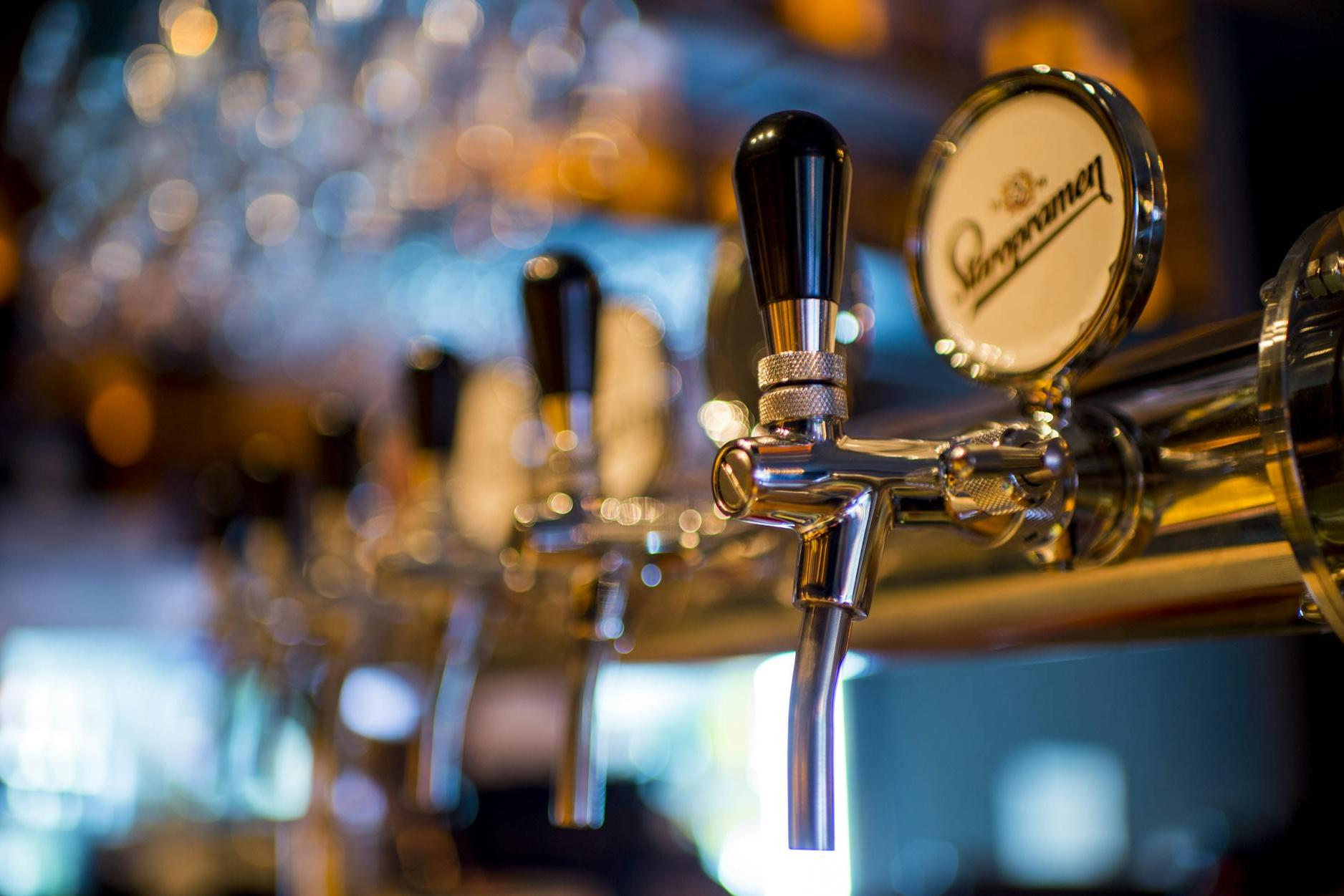
Late at night in a high-end Japanese restaurant in Qingdao,I witnessed this scene: three business professionals poured amber beer into chilled glass cups,the malt aroma mingling with the condensation on the cup walls,steaming under the warm yellow light.The bartender timely reminded: "This is Kirin Ichiban,brewed only with the first press of malt." This detail made me realize that the success or failure of imported beer often lies in the unseen details handled by professional agents.
The Hidden Logic Behind Product Selection Strategies
What appears to be a simple beer import actually involves three cognitive blind spots:
- Certificationisnotamasterkey:TheJAScertificationinJapandoesnotequalapassporttotheChinesemarket.ThenewGB4927beernationalstandardimplementedin2025setsstricterrequirementsformaltconcentration
- TheLife-and-DeathLineonPackaging:TheChinesebacklabelmustindicatethe"sterilizationmethod."Acertainimporteroncehadanentireshipmentreturnedduetotheomissionof"high-temperatureshort-timesterilization."
- TheRegionalCodeofTaste:The5.5-degreeoriginalflavorfavoredintheKantoregionhaslimitedacceptanceinSouthChina.Itneedstobepairedwithlimited-editionfruitflavorstoformaproductmatrix.
The devil is in the details of customs clearance.
A real case from a Zhejiang importer: Confusing "malt concentration" with "alcohol content" during declaration led to a misclassification resulting in a 20% tariff difference.It is recommended to adopt a step-by-step customs clearance strategy:
- Keyverificationpointsduringthepre-declarationphase:
- Thepercentageofmaltcontentinthebook.
- ContinuityofTemperatureRecordonBillofLading
- Customsclassificationofbottlemillilitercapacity
- On-site inspection preparation "three-piece set":
Constant temperature chamber,Japanese raw material list,sterilization process certification
The Critical 72 Hours of Cold Chain Logistics
We compared the data of the three major ports in 2025:
- QingdaoPort:Thefull-processcoldchaincomplianceratereached92%,butcontainerdemurragefeesincreasedby30%year-on-year.
- NanshaPort:Newdedicatedtemperature-controlledwarehouseforbeeradded,withadailyhandlingcapacityof200TEUs.
- TianjinPort:Extremecoldweatherinwintercausestemperaturefluctuationsexceeding±2°Cin7%ofcontainers.
It is recommended to adopt the "segmented temperature control" solution: maintain 0-4°C during the sea freight segment,switch to 2-6°C for the land transport segment to prevent condensation,and conduct microbial sampling immediately upon warehouse entry.
The golden triangle of risk prevention and control
Establish a trinity guarantee system:
- Qualityfirewall:Retain3samplesetsperbatch,withthestorageperiodextendedto6monthsaftertheexpirationdate.
- CostReliefValve:ByleveragingtheRCEPcumulativerules,theproportionofJapanesemaltwasoptimizedfrom87%to79%.
- Legalmoat:Clearlystipulatethe"ParallelImportExemptionClause"and"TrademarkUsageBoundaries"intheagencyagreement.
Holding the chilled beer glass,I recalled the advice from my senior when I first entered the industry: "The import business is like beer foam—it may seem to expand quickly,but when it dissipates,there might be nothing left." Yet,if one can navigate around these hidden reefs,the golden liquid of Kirin Ichiban Shibori will eventually flow into intoxicating tales of wealth amidst the clinking of glasses.
Was this helpful? Give us a like!
Contact our experts for compliance audits, precise quotes, and one-stop customs support.
Recent Comments (0) 0
Leave a Reply