
Don’t Let Your Cargo Get Stuck Abroad: The Ultimate Cheat Sheet for Mandatory Certifications
or complex compliance issues.
clearance and fund security.
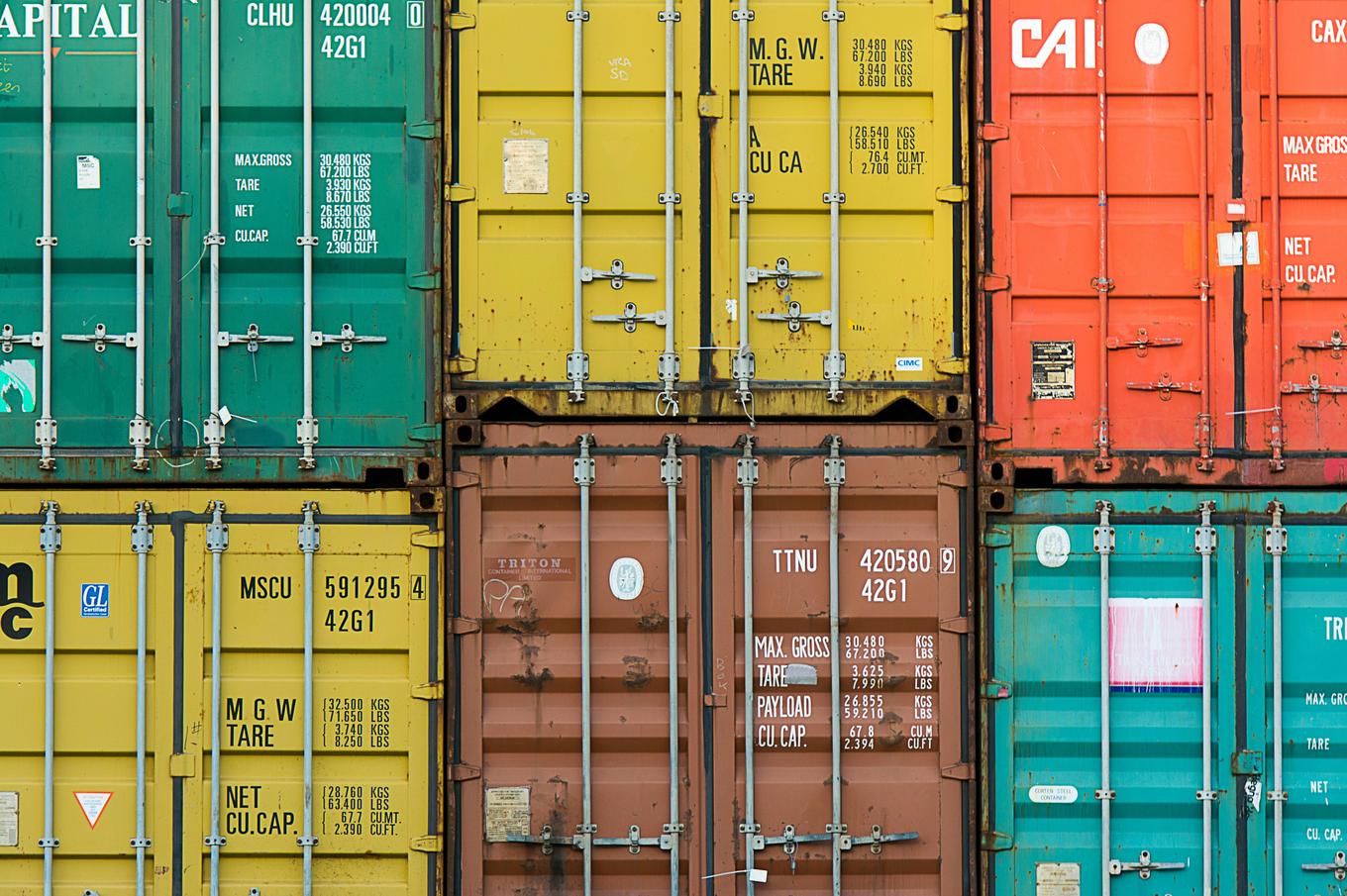
Nothing stings more than watching your goods hit the port abroad—only to be blocked by a single sheet of paper that says “certification missing.” Who else feels that gut-punch?The truth is,if you map out the mandatory certifications for your target market in advance,you can dodge 90 % of the headaches before they start.Today we’ll walk through how to lock down and meet every country’s entry requirements—no panic,no wasted money.
Remember this iron rule: international certification ≠ local mandatory certification
Many companies assume that once they’ve secured the “global passports” of CE,FCC,and RoHS,they’re home free—only to get stuck at Saudi Arabia’s SASO,bounced back by Brazil’s INMETRO,or turned away at Australia’s RCM gate.These are textbook cases of “international certification ≠ local mandatory approval.” Every country issues its own “admission ticket” and simply refuses to honor anyone else’s.
Four steps and you’re basically set.
- First,checktheofficialchannelsforintel.Don’ttrusttheoutdatedstufffloatingaroundonline—gostraighttothemostreliablesource:
- MinistryofCommerce“Country(Region)GuideforOutboundInvestmentandCooperation”:Almosteverycountryhasadedicatedchapteronmandatorycertification.
- The“LegalResearch”and“CountryGuides”ontheTradeLawConnectplatform:updatedquicklyandletyousearchthefulltextofregulationsdirectly.
- Officialwebsiteofthetargetcountry’scertificationbody:forexample,theEU’sNANDOdatabase,theU.S.FCCwebsite,andSaudiArabia’sSABERplatformareallprimarysources.
- Ask the client to put it in black and white. Tell the buyer straight: “Hi,could you send me the mandatory certification list and the latest regulations required in your country?It’d be best if they’re written into the contract appendix.” This not only clarifies responsibility but also prevents the customer from piling on extra demands later.
- Find a reliable “nanny” Complicated certification process and language barriers?Just hand it all to a third-party testing and certification body (SGS,TüV,Intertek,BV,etc.) for one-stop service.It costs more and takes longer,but it saves you the headache—especially the first time you enter a country.Better to spend an extra 20,000 RMB than risk having goods worth hundreds of thousands detained.
- Cultivate the habit of "continuous tracking" Certification policies can change at any time.For example,in 2024,Argentina suddenly switched its toy certification from the old IRAM standard to the new version,which caused many companies to fail to keep up and had their products recalled.It’s recommended to create a spreadsheet listing the certification requirements,validity periods,and update times for each target market,and review the official announcements at least once every quarter.
A few common "minefields" to watch out for
- SaudiArabia:SABERplatformregistrationismandatoryinadvance;SFDAfoodcategoriesaresubjecttostricterrequirements.
- Brazil:INMETROcertificationcycleisextremelylong;start6–8monthsinadvance.
- Australia:TheRCMistheresponsibilityoftheimporter,butyoumustcooperatebyprovidingthetestreport.
- India:BISmandatoryregistrationcoversvirtuallyallelectronicproducts.
- Nigeria:AnSONCAPcertificateisindispensable;anyforgeddocumentwillresultinimmediatecargoseizure.
Conclusion
Exporting is like taking the college-entrance exam: get your “admission ticket” ready early and you won’t panic,however tough the exam room gets.Turn the four steps—checking,confirming,processing,and tracking—into a habit,and your goods will sail smoothly across the ocean and into your customer’s hands.International trade is full of surprises,but with the right information and clear procedures,you can always stay in control.May these small tips make your voyage easier,your orders plentiful,and your profits plentiful too!
Was this helpful? Give us a like!
Contact our experts for compliance audits, precise quotes, and one-stop customs support.
Recent Comments (0) 0
Leave a Reply