
Import Labeling Compliance: Avoid Customs Issues
or complex compliance issues.
clearance and fund security.
The labeling of imported goods has long been a persistent and highly scrutinized issue,especially when import volumes are small,as labeling is often overlooked or handled perfunctorily.However,according to Chinese regulations,all imported retail goods sold on the market must have compliant Chinese labels on their smallest sales packaging.This is not only a regulatory requirement but also a critical measure to ensure consumer rights to information.
I.The Importance of Labeling
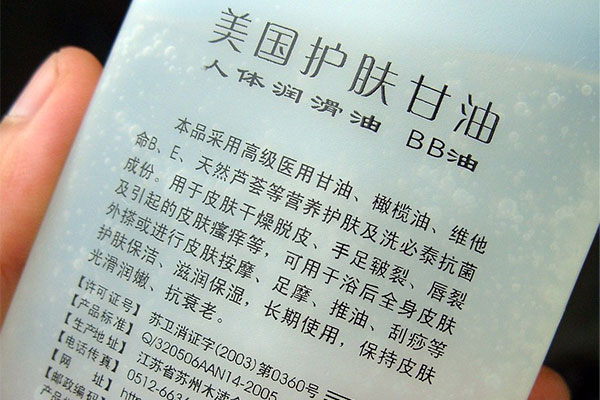
Chinese labels on imported goods are a fundamental safeguard for consumers,ensuring they can access information about the products origin,ingredients,usage instructions,shelf life,etc.In practice,many imported goods,due to small quantities,often lack labels during production and are labeled domestically afterward.While this increases flexibility,it also raises non-compliance risks.
A colleague once encountered a situation where only about 10% of imported goods had pre-attached Chinese labels,while the rest were loosely placed in cartons.Customs discovered this,and 7 or 8 colleagues were summoned to the customs supervision warehouse to manually label the goods,spending an entire afternoon before the goods were released.This not only wasted manpower but also delayed customs clearance efficiency.
II.Requirements for Imported Goods Labels
According to regulations,all imported goods sold in China must have Chinese labels on their smallest sales units,including the following details:
- Productnameandbrand:Toclearlyinformconsumersabouttheproducttheyarepurchasing.
- Originandimporterinformation:Mustclearlystatethecountryofproductionandtheimportersnameandcontactdetails.
- Ingredientsorrawmaterials:Especiallyforfoodand,majoringredientsorrawmaterialsmustbelisted.
- Usageinstructionsandprecautions:Suchasconsumptionmethods,targetdemographics,andwarnings.
- Productiondateandshelflife:Toensureconsumersknowtheproductssafeusageperiod.
III.Risks of Non-Labeling
- DetainedbycustomsIfimportedgoodslackcompliantChineselabelsduringcustomsclearance,thereisahighchancetheywillberandomlyinspectedanddetained.Randominspectionsareakeycustomscompliancemanagementtool.Iffoundnon-compliant,penaltiesmayincludefinesorevenimportbans.
- ReportedbyconsumersImportedgoodssoldinsupermarketswithoutChineselabelscanbereportedbyconsumers.Suchcaseshavesparkedonlinedebates,thoughsomewereforclout-chasing.Nonetheless,theseissuesundermineconsumertrustinimportedgoods.
- MarketsupervisionrisksForgoodsenteringthemarket,eveniftheyslippastcustoms,theymaystillfaceissuesduringsubsequentmarketinspections.Regulatoryauthoritiesconductregularspotchecks,andnon-compliantgoodsmayincurfinesanddamagecorporatereputation.
IV.How to Ensure Label Compliance for Imported Goods
- PreparelabelsinadvanceImportersshouldpreparecompliantChineselabelsbeforegoodsareshipped.Forproductsnotlabeledduringproduction,labelingcanbedoneimmediatelyuponarrivalatdomesticwarehousestoavoidlast-minuteeffortsduringcustomsclearance.
- Communicatewithsupplierstorequestsourcelabeling.Ifpossible,itisadvisabletoreachanagreementwithsupplierstoaffixChineselabelsduringtheproductionstage.Thisnotonlyeliminatesthehassleofsubsequentdomesticlabelingbutalsoreducestheriskofcustomsdetention.
- Useprofessionallabelingservices.Forenterpriseswithlargeimportvolumes,professionallabelingservicescanbeconsidered.Professionalserviceproviderscanensurethequalityandcomplianceoflabelapplication,avoidingissuessuchaslabeldetachmentorblurredinformationduetoimproperlabeling.
- Labelcompliancereview.Duringthelabeldesignstage,thecontentofthelabelsshouldbereviewedtoensurecompliancewithallregulatoryrequirements.Professionalcomplianceconsultingfirmscanbecommissionedtoinspectthelabels,ensuringnocriticalinformationisomitted.
V.Summary
Labeling imported goods is not only a compliance requirement but also a fundamental safeguard for consumer rights.For businesses with small import volumes,labeling is often overlooked,yet it is the most common issue flagged by customs.Non-compliant labeling may lead to cargo detention,penalties,or even damage to market reputation.Therefore,importers must prioritize label compliance,prepare in advance,and ensure labels meet all requirements to facilitate smooth customs clearance and avoid unnecessary trouble and costs.
Was this helpful? Give us a like!
Contact our experts for compliance audits, precise quotes, and one-stop customs support.
Recent Comments (0) 0
Leave a Reply