
A Comprehensive Guide to the Import Declaration of French Wine: Key Practices in Documentation and Logistics for Foreign Trade Agents
or complex compliance issues.
clearance and fund security.
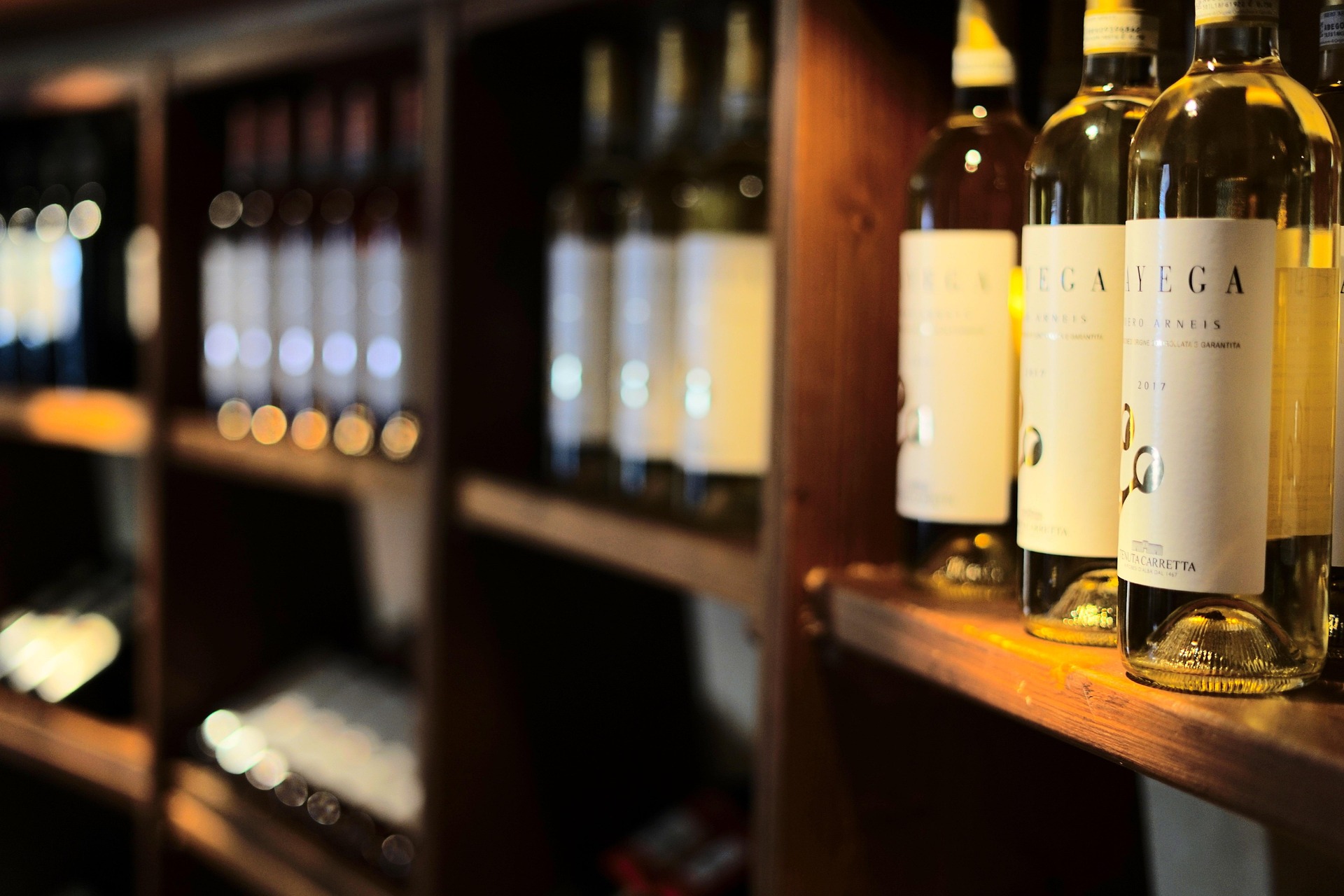
French Wine Import: Market Opportunities and Trade Situation Analysis
In recent years,China’s imported wine market has continued to grow.As the world’s largest producer of AOC-level red wine,France accounted for more than 35% of China’s wine imports in 2023,ranking first among the major import sources.However,the international trade environment also faces challenges: Although the EU’s "New Battery Law" does not directly affect wine,the upgraded "Regulation on Food Contact Materials (EC) 1935/2004" requires compliance certificates for packaging materials; and China’s customs will implement the "Regulations on the Registration Management of Overseas Food Production Enterprises for Imported Foods" in 2024,requiring overseas wineries to complete their registration in China in advance.In addition,Sino-French trade is influenced by factors such as the progress of the China-EU investment agreement negotiations and the fluctuations of the RMB exchange rate,so enterprises need to rely on professional services to adapt to these changes.The agent should respond to policy changes.
Core process: Full-cycle management from signing the contract to customs clearance
As a professional foreign trade agent,we have broken down the French wine import process into nine major stages,with documentation and logistics being the key elements throughout the entire process.
I.Document Processing: The "Pass" for Full-Chain Compliance Output:
The import of French wine requires the provision of 12 core documents.The agent must review,translate,and file these documents throughout the entire process.
- BasicCommercialDocuments:Businessinvoice(whichmustindicatetheFOB/CIFpriceterms),packinglist(listingthenumberofbottlesperboxandtheirspecifications),Billoflading(B/L,electronicreleaseororiginal);
- CertificateofOriginandQuality:OfficiallyissuedbyFrance(ForCOandAOClevels,thespecificproductionregionmustbeindicated),aSanitaryCertificate(issuedbytheFrenchMinistryofAgricultureoranauthorizedagency),andaningredientanalysisreport(containingkeyindicatorssuchasalcoholcontentandsulfurdioxidelevels);
- SpecialrequirementsoftheChineseCustoms:Chineselabelsamplesandtranslationdocuments(whichmustcomplywiththeGeneralPrinciplesofLabelingforPrepackagedFoodsGB7718-2011),theregistrationnumberoftheoverseasproductionenterprisesofimportedfood(mandatoryfrom2024),andautomaticimportlicenses(requiredfornon-tariffquota-classifiedredwine).
The agent needs to focus on verifying the following points: 1.Consistency between the certificate of origin and the shipper’s name on the bill of lading.2.Validity of the health certificate (usually 12 months).3.Logical consistency between the "filling date" and "shelf life" on the label.There was a case where the customs rejected the shipment due to missing "storage conditions" on the label.The agent was able to reprint the labels within 48 hours and submit supplementary explanations,avoiding penalties for port storage delays.
II.Logistics Management: Dual Control of Temperature and Timeliness Output:
French wine is sensitive to transportation conditions,and the logistics process requires precise control:
Selection of Transportation Mode: For small batches (within 500 boxes),we recommend(Paris-Shanghai approximately 48 hours),with constant temperature throughout the journey (12-18°C); for large quantities (over 2,000 boxes),it is recommended to opt for full container (FCL) shipping.When booking,please specify "Reefer Container (Refrigerated Container)",set the temperature to 14°C ± 2°C,and purchase "Temperature Fluctuation Insurance".
Destination port operation: 3 days before arrival,complete the pre-declaration on the "Single Window" platform and submit the electronic data of the customs declaration form and accompanying documents.During the document exchange process,it is necessary to verify the consistency between the "Electronic Release Guarantee" and the bill of lading information to avoid delays in customs clearance due to the shipping company withholding the documents.In 2023,a client failed to handle the electronic release in advance,resulting in the goods being detained at Shanghai Port for 7 days and incurring a demurrage fee of 23,000 yuan.Through urgent coordination with the shipping agent,the agency eventually obtained a 50% fee reduction.
Expansion of business with Russia: VTBThe three major advantages of n
Some enterprises conduct wine trade with Russia through re-exportation,and Zhong Shen International Trade Co.Ltd.relies on its long-term cooperation with VTB Bank (Sberbank of Russia) to provide foreign exchange settlement convenience.
- Cross-borderRMBsettlement:Toavoidlossesfrommulti-currencyexchangebetweentheruble,theeuro,andtheRMB,wehelpedclientssaveabout1.8%onforeignexchangecostsinthefirstquarterof2024.
- Fastpaymentchannel:VTBisdirectlyconnectedtomajorChinesebanks,withfundsarrivinginT+2(theindustryaverageisT+5),shorteningthecapitalturnovercycle;
- Hedgingagainstexchange-raterisk:Providespot/forwardforeignexchangelock-inservices.In2023,wehelpedclientslockinanexchangerateof6.9toavoidlossescausedbythesubsequentdepreciationoftheRMB.
Certification Prompts and Compliance Risk Avoidance
Special Note: Certifications related to French wine imports (such as AOC origin certification,AB organic certification,and registration of overseas production enterprises for Chinese imported food) must be handled by the client themselves or through a third-party agency.Zhong Shen International Trade Co.Ltd.does not provide certification services.However,the agent can assist in reviewing the validity of certification documents.For example,AOC certificates must be issued by the French National Institute of Appellations of Origin (INAO),and organic certifications must bear the "AB" logo and include the EU organic code (such as FR-BIO-01).If certifications are missing or non-compliant,this may result in customs control inspections (with a 80% probability of being inspected),product returns (with daily storage fees of 500-1000 RMB per box),or destruction (with full loss of product value).
Common Questions and Agent’s Response Strategies
Question 1: The customs inspection found that the wine labels did not match the declaration(e.g.Chinese label missing "Warning: Excessive drinking is harmful to health").The agent can assist the enterprise in submitting a label modification commitment letter at the inspection site and completing label re-application within 48 hours in conjunction with a customs-approved testing agency,avoiding return shipment.
Question 2: The health certificate has expired(Commonly seen in long-term transportation).The agent can coordinate with the French authorities to issue a "Certificate of Validity Declaration",and submit to the customs the proof that the goods have been shipped within the validity period of the certificate (such as the date of issuance of the bill of lading),in order to seek lenient clearance.
Conclusion: Professional agents are the "safety lock" for French wine imports.
The import of French wine faces multiple challenges in terms of policies,documentation,and logistics.Professional foreign trade agents can help enterprises reduce customs clearance time from the industry average of 15 days to 7-10 days,and minimize risks such as port delays and return shipments by more than 60%,through accurate document review,full-chain logistics monitoring,optimized RMB exchange with Russia,and compliance risk alerts.When selecting an agent,it is recommended to focus on evaluating their document processing experience (e.g.the annual processing volume of French wine documents),logistics resources (whether they have signed temperature-controlled container agreements with shipping companies such as MSC and Maersk),and their ability to respond promptly to trade policies.
Was this helpful? Give us a like!
Contact our experts for compliance audits, precise quotes, and one-stop customs support.
Recent Comments (0) 0
Leave a Reply