
How does an import customs clearance agent determine the success or failure of equipment customs clearance?
or complex compliance issues.
clearance and fund security.
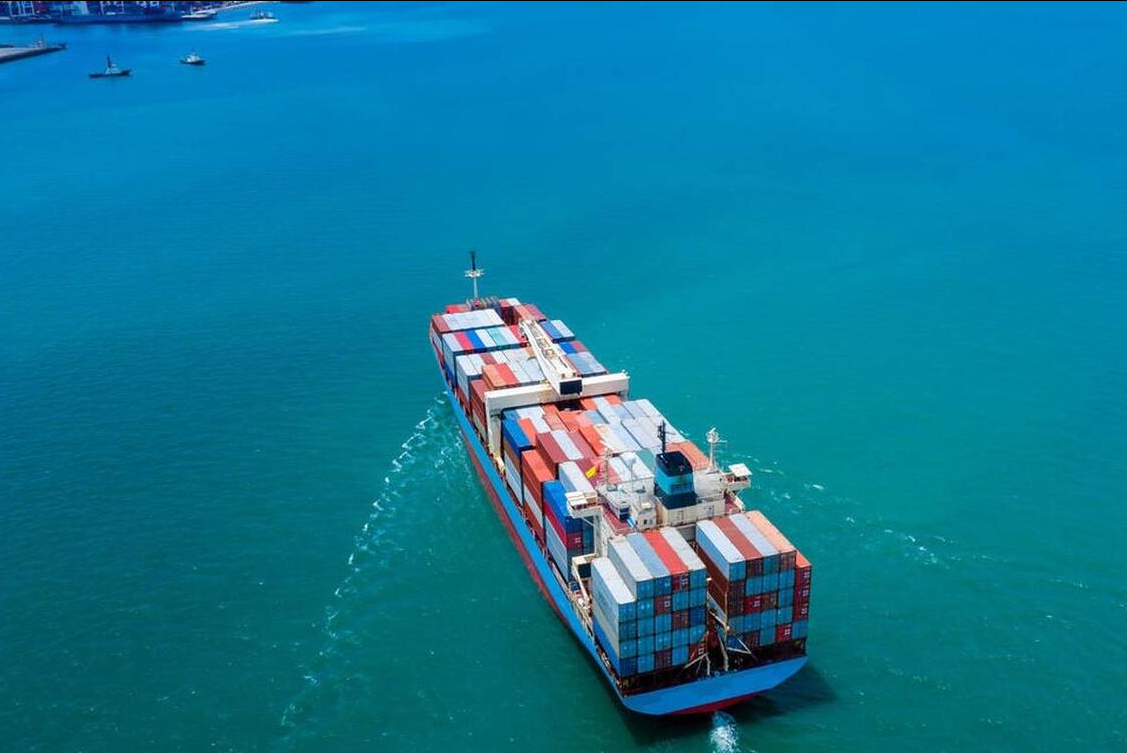
EquipmentThe three major "minefields"
According to the latest statistics from the General Administration of Customs in 2025,the customs clearance delay rate of imported mechanical and electrical equipment increased by 18.7% year-on-year,among whichIncorrect commodity code classification(accounting for 42%),Incomplete technical parameter declaration(accounting for 31%),Misuse of tariff preferences(19%) constitutes the main risk source.A semiconductor company incurred over a million yuan in port demurrage fees due to a coding classification deviation that caused an entire set of wafer equipment to be stranded at the port for 37 days.
Professional Agency Service Capability Comparison Dimensions
- Basicqualifications
- CustomsAEOAdvancedCertificationEnterprise
- RegistrationfortheImportofElectromechanicalProducts
- Localizedservicenetworkcoveragecapability
- Core competency
- HScodepre-classificationaccuracyrate(industryaverage83%vspremiumagency97%)
- Technicalparameterreviewresponsetime(48hoursforgeneralagentsvs12hoursforprofessionalteams)
- Differenceinthesuccessrateoftaxreductionandexemptionpolicyapplication(65%forgeneralagentsvs.92%forprofessionalagents)
Key points for responding to the new declaration regulations in 2025
According to Announcement No.198 of the General Administration of Customs,from January 1,2025 onwards:
- Technicalspecificationsoftheequipmentneedtobeprovided.OriginalFactoryCalibrationCertificateandInternationalCertificationComparisonTable
- UsedmechanicalandelectricalproductsMandatoryrequirementThird-partyinspectionagencyinspectionreport
- ThedeclarationsysteminterfacemodehasbeenupgradedtoSingleWindow3.0DataStandardforCustoms
An auto parts importer failed to update testing standards in a timely manner,resulting in $2.3 million worth of painting equipment being stranded at Tianjin Port for two weeks,causing a direct loss equivalent to 1.8% of the cargo’s value.
Practical Case Study on Proxy Service Selection
Case A:A certainThe importer selects those withProfessional Electromechanical CommitteeThe agency company,by pre-reviewing the technical documents from the German manufacturer in advance,successfully classified the CT equipment as "Medical Diagnostic Equipment" (HS 9018),saving 12.7% in tariffs compared to the originally declared code.
Case B:A manufacturing company,in an attempt to save on service fees,opted for a non-professional agent.Due to the incorrect classification of industrial robots as "general mechanical components" (HS 8487),it triggered a customs special audit,ultimately resulting in the payment of back taxes and late fees amounting to 29% of the cargo value.
Suggestions for the Construction of a Risk Prevention and Control System
- EstablishequipmenttechnicalparametersThree-levelreviewmechanism(Supplier→TechnicalDepartment→CustomsDepartment)
- RequesttheagencytoprovideAnnualDeclarationAccuracyAuditReport
- ImplementationVisualizedMonitoringoftheEntireCustomsClearanceProcess(Real-timeprogressupdates+anomalyalerts)
Choosing a professional customs clearance agent is not merely a simple service procurement,but a crucial step in building an enterprise’s import risk prevention and control system.It is recommended that enterprises start fromTechnical document processing capability,Response speed to policy updates,Completeness of emergency response mechanismEstablish an evaluation model for agency services across three dimensions to ensure a win-win scenario of both security and benefits for equipment import projects.
Was this helpful? Give us a like!
Contact our experts for compliance audits, precise quotes, and one-stop customs support.
Recent Comments (0) 0
Leave a Reply