
Import General Food Agents' Screening List: 5 Core Indicators to Avoid Compliance Pitfalls
or complex compliance issues.
clearance and fund security.
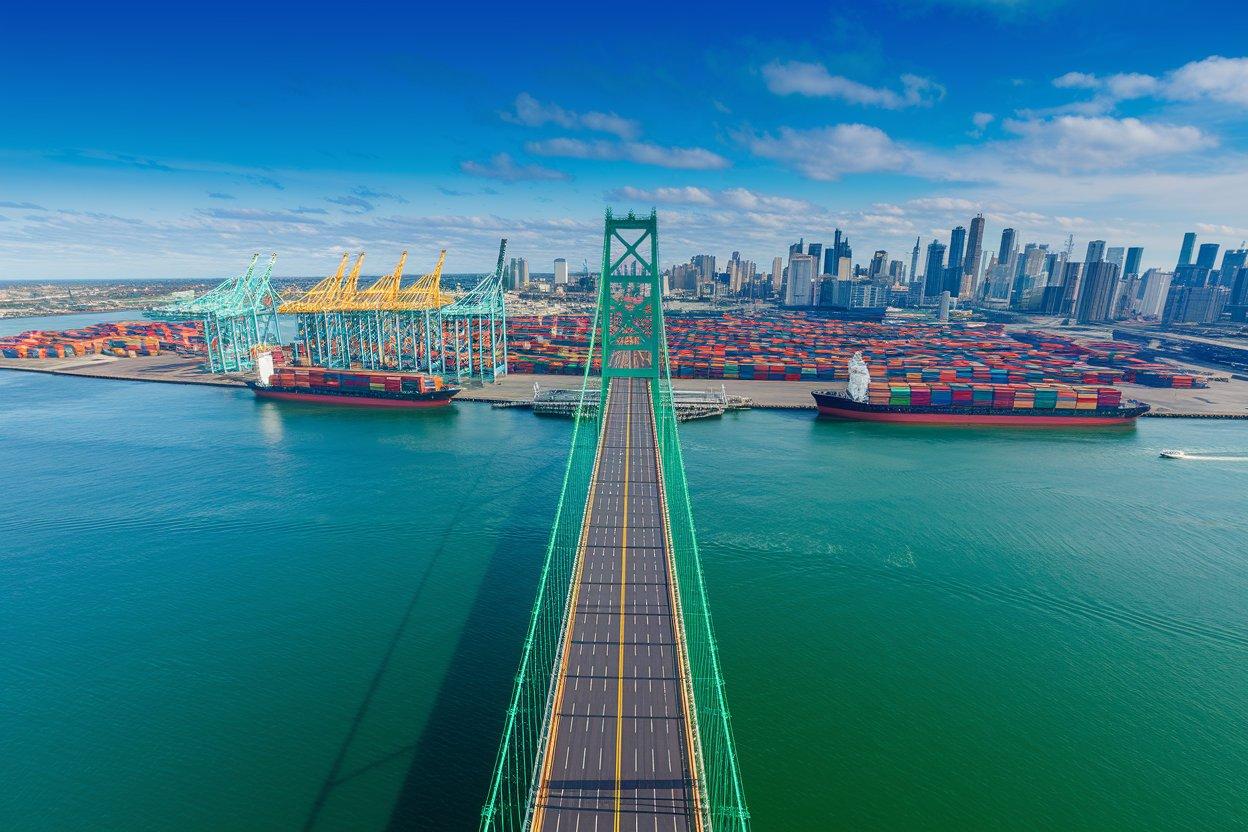
You think getting overseas suppliers is enough?In the field of importing general food products,90% of the "disaster" scenarios occur during the process of finding an agent company.If you only focus on the "operating fees" listed on the quotation,there’s a high chance you’ll end up paying ten times as much during the Chinese label review or customs inspection stages.Food importation isn’t just about simple logistics and transportation—it’s a rigorous compliance exam.Choosing the right agent is like appointing your own "chief compliance officer".
Why is Your Cargo "Stuck" at Port?Underlying Logic Breakdown
Many purchasing managers are puzzled: Why does my cargo stay at the port for 15 days while my peers’ red wine clears customs in just 3 days?The root cause lies in your confusion between "freight forwarders" and "professional food importers".Generally,importing food through general trade involvesCustoms (HS)withInspection and Quarantine (CIQ)There is dual supervision,and it must comply with the requirements of the Regulations on the Administration of Internet Information Services.Food Safety Management Measures.
A qualified agency’s core value is not just about running errands,but rather about providing comprehensive services that meet clients’ needs.Access riskanddocument complianceThe ability to predict potential risks and challenges.Below is a comparison of the capabilities of ordinary freight forwarders and professional food agents.Please be sure to verify this information before signing a contract:
| Key Indicators | Ordinary logistics freight forwarders | Professional food |
|---|---|---|
| core qualifications | Only the sea/Booking qualifications,no record of food consignees | The shipper with theImport Consignee RegistrationHaving dual A-level qualifications from the customs and commodity inspection authorities |
| Label review capability | I’m only responsible for typesetting and translation,and I’m unable to identify violations of national standards | ProvidePre-review serviceAccording to GB7718/GB28050,the amended ingredient list is as follows: |
| Registering a foreign enterprise | If you’re not familiar with the GACC registration process,the client needs to handle it on their own. | Help confirm that the overseas production enterprises have alreadyRegistered by the General Administration of Customs(Decree 248) |
| Risk response | When subject to inspection,we can only wait and there’s no technical solution for this problem | You can prepare in advanceHealth certificate/Remedial measures |
Practical SOP: How to Screen Agents Like a Pro
Don’t just listen to the verbal promises of sales staff.Please conduct a "stress test" on the prospective company according to the following standard operating procedures (SOPs).
Step 1: Conduct a "through-the-lens" review of the hard qualifications Output:
Don’t just look at the business license.Require the other party to provide copies of the following certificates and have them stamped:
- CustomsConsigneeRegistrationReceipt:Verifywhetherthefilingnumberisvalidandwhetherthebusinessscopeincludesthetypesoffoodyouareimporting(e.g.dairyproducts,alcoholicbeverages,etc.whichhavespecialrequirements).
- CommodityInspectionandQuarantineRegistrationCertificate:Verifythattheyhavetheabilitytohandleanimalandplantquarantineproducts.
Step 2: The "practical" test of label review Output:
Send the translated version of the outer packaging of the product you plan to import to the other party and ask them to provide feedback.Specific rectification suggestions,rather than simple "can do".
- Seeiftheypointoutthecalculationerrorsinthenutritionalinformationtable?
- SeeiftheypromptforChineselabelingofallergens?
- ExpertTips:Iftheotherpartyisevasiveaboutthe"AdditiveIntroductionPrinciple",eliminatethemimmediately.
Step 3: "Liability Severance" in Contract Terms Output:
When signing an agency agreement,the following key parameters must be clearly defined to avoid potential disputes in the future:
- Customsclearancetimecommitment:Output:Specifytheexactnumberofdaysaftercustomsdeclarationbeforethegoodsarereleased.
- Thepartyresponsiblefortheinspectionfee:Itshouldbespecifiedthatintheeventofcustomsinspection,whowillbearthecostsofunpackingthecontainer,amendingthebilloflading,andthedetentionfee(usually,theinspectionfeeisreimbursedaccordingtotheactualexpenses,buttheagencyservicefeeshouldnotbeincreasedadditionallyduetotheinspection).
- Compensationforthelossofshippingdocuments:Determinethecompensationlimitforthelossoforiginalbillsofladingandcertificatesoforigin.
Expert Insight: The Overlooked Tax Risk of "Borrowing Qualifications"
This is an open secret in the industry and also the biggest pitfall.Many small trading companies,in order to save trouble,directlyBorrowDeclare the goods through the "import consignee qualifications" of the agency company.
Although this can help clear customs quickly,it poses huge potential risks in terms of taxation and legal compliance.
- TheVATdeductionchainisbroken:ThepayingunitontheCustomsImportValue-AddedTaxSpecialPaymentReceiptistheagencycompany.Yourcompanycannotdirectlyclaimthetaxdeduction,andyouneedtheagencycompanytoissueavalue-addedtaxspecialinvoice.Iftheagencycompanygoesbankruptorabsconds,yourtaxcompliancewillbeaffected.
- Brandownershipdispute:Inthecustomssystem,thedomesticconsigneeofthegoodsisanagent.Onceatrademarkinfringementdisputeoralawsuitoverbrandownershiparises,youarenotlegallyconsidereda"rightholder,"makingitextremelydifficulttoprotectyourrights.
Suggestions: For long-term operating food brands,it is essential to register as their own import consignees.If they initially borrow qualifications,they must sign a rigorous "Qualification Attachment Agreement" with the agent and ensure that the three flows of funds,invoices,and contracts are consistent with each other.
Act now: 3 things you can do this afternoon
After reading this article,please immediately perform the following actions to optimize your supply chain security:
- Verifythequalifications:Findoutthe"CustomsConsigneeRegistrationNumber"oftheagentyouarecurrentlycooperatingwith,andlogintothe"Internet+Customs"platformtocheckwhetheritsstatusisnormal.
- Reviewthecontract:Output:Retrievethecurrentlyexecutingagencycontractandcheckwhetherthereareanyexemptionclausesregardingthe"responsibilityforrectifyingChineselabels"(ifany,requesttheirremoval).
- Pre-audit:Ifyouhavenewproductsthatareabouttobeimported,immediatelysendtheingredientlisttoaprofessionalthirdpartyoragentforreview.Compliancepre-reviewDon’twaituntilthegoodsarriveattheporttorealizethattheNutrientReferenceValue(NRV)hasbeencalculatedincorrectly.
Was this helpful? Give us a like!
Contact our experts for compliance audits, precise quotes, and one-stop customs support.
Recent Comments (0) 0
Leave a Reply