
Imported Peat Soil Agency Selection | Avoiding Phytosanitary Minefields
or complex compliance issues.
clearance and fund security.
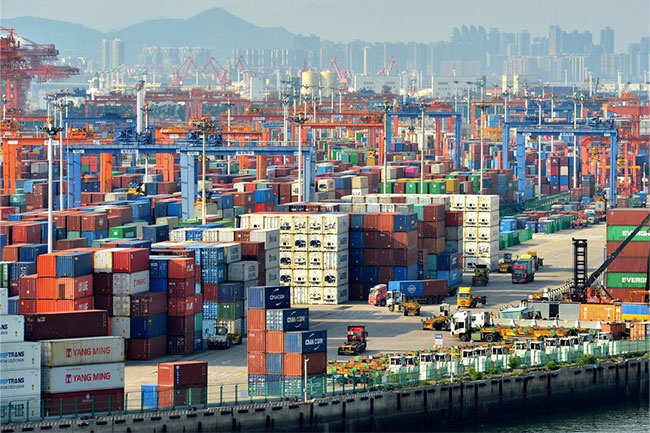
You think you can just randomly choose a freight forwarder to handle the import of peat soil?Ninety percent of buyers only realize during the customs inspection process that ordinary customs brokers simply can’t handle the "Entry Animal and Plant Quarantine Permit".Peat soil is defined as a "plant-derived medium" in customs supervision and is classified as a high-risk inspection cargo.If you only focus on price when selecting an agent,you’re likely to face the painful consequences of goods being detained in port,returned,or even destroyed.A truly professional agent’s core value lies not in saving a few dollars on freight charges,but in ensuring the safe clearance of such "special" goods within regulatory compliance standards.
Why can’t ordinary freight forwarders handle orders for peat soil?
When many business owners are looking for agents,they habitually ask,"Have you ever handled shipments to Germany or Latvia before?",but they often overlook the fact that peat soil is a special regulated commodity.The import of peat soil involvesAnimal and plant quarantine approval,Origin tracing and Access to specific portsThree major hurdles.Ordinary freight forwarders often lack experience in handling phytosanitary certificates (IPPC markings) and fumigation certificates,which results in the documents being directly blocked when submitted to customs.
| Key Indicators | General comprehensive freight forwarding agent | Professional peat/agriculture |
|---|---|---|
| Regulatory awareness | They regard it as ordinary fertilizer or general cargo,focusing solely on the HS code classification. | Clearly identify it as a "plant cultivation medium" and be familiar with the prerequisites for quarantine approval. |
| Documentation Processing | I can handle packing lists and invoices,but I only have a vague understanding of the "Entry Animal and Plant Quarantine Permit". | Able to pre-review phytosanitary certificates and IPPC labels,and assist enterprises in applying for Quarantine Permits. |
| Port selection | Recommend the port closest to the factory,ignoring the limitations of the port’s customs clearance function. | According to the list provided by the General Administration of Customs,we accurately match the designated ports that are qualified to inspect "medium-grade soil". |
| Anomaly response | When subject to inspections,people usually just have to wait and are unable to provide technical rectification solutions. | Be familiar with the sampling and inspection process,and be able to coordinate fumigation treatment or return and transfer of goods. |
The SOP process for selecting an import agent for peat soil
Don’t just listen to the salesperson’s verbal promises.You must conduct an "interview" based on the following hard criteria.This process can help you filter out 90% of unqualified suppliers.
Step 1: Verify the ability to assist with the "Entry Animal and Plant Quarantine Permit" Output:
This is the "life-and-death line" for the import of peat soil.According to regulations,imported peat soil must apply for and obtain this license before shipment or entry into the country.
- QuestioningScript:"Ifmydeliverytimeisurgent,couldyouassistmeinexpeditingtheprocessingofthe’EntryAnimalandPlantQuarantinePermit’?WhatspecificfactorydocumentsdoIneedtoprovide?"
- Criteriaforjudgment:Theprofessionalagentwillimmediatelyrequestit.ApplicationFormfortheEntry-ExitQuarantinePermitforAnimalsandPlantsOutputasampleoftheofficialphytosanitarycertificateforthecountry/region,andclearlyinformtheapprovaldeadline(usually5-20workingdays).Iftheotherpartysays"Youcanhandlethisyourself"or"We’lldealwithitwhenitarrivesattheport",immediatelydisqualifythem.
Step 2: Verify port access and designated routes Output:
Not all ports allow the import of peat soil.The General Administration of Customs has a clear list of designated ports of entry for plant cultivation media.
- QuestioningScript:"WeneedtosendthegoodstoXXFactory.Whichportdoyourecommendweuse?IsthisportontheGeneralAdministrationofCustoms’listof’DesignatedPortsforPlantCultivationMedia’?"
- Criteriaforjudgment:Theotherpartyshouldbeabletoquicklyprovidematchingports(suchasShanghaiYangshan,QingdaoDagang,andotherqualifiedports)andexplainwhysomeinlandportsorsmallportscannotbeoperated.Iftheotherpartypromises"anyportcanbeentered"inordertowintheorder,thisposesahugecompliancerisk.
Step 3: Review past operation cases (Case Study) Output:
No amount of theory can beat practical experience.We require the other party to provide the original customs declaration forms for similar products within the past six months (with confidential business information redacted).
- KeyCheckpoints:Pleasecheckthecontentonthecustomsdeclarationform.DeclarationElementsPleasecheckwhetherthe"brandtype","processingmethod",and"ingredientcontent"arefilledoutinaccordancewithregulations.Thefibercontent(moss/herb)andashcontentofpeatsoilarekeyfocusareasforcustomsvaluationandinspection.Professionalagents’declarationsaretypicallyverymeticulousinthesedetails.
It’s an unspoken rule in the "processing" industry that only insiders understand
There is an invisible risk point that is easily overlooked: the customs authorities have vastly different regulatory attitudes towards "virgin soil" and "processed peat soil".According to the latest quarantine requirements,the import of soil is generally prohibited,but the import of "processed peat soil" is allowed.
Many purchasers,when importing goods,encounter problems because the documents provided by foreign suppliers simply label the product as "Soil" instead of "Peat" or "Horticultural Peat".As a result,the goods are classified as prohibited soil at the port of entry.Professional agency companies will,during the document review stage,require foreign suppliers to provide accurate product descriptions to avoid such issues.Phytosanitary CertificateIn the declaration column,it is clearly marked that the goods have passed the inspection.High-temperature sterilization and grading screeningAfter processing and removing impurities,this small note often plays a crucial role in preventing the goods from being returned for re-export.
There are three inspections that can be done this afternoon
Don’t push all the work onto the agent.As the purchasing party,your current actions determine the smoothness of the subsequent process.
- Checktheaccesslistofthecountryoforigin:LogintothewebsiteoftheGeneralAdministrationofCustomsandcheckwhetherthecountriesyouplantoimportfrom(suchasLatvia,Estonia,Germany,etc.)areonthe"ListofApprovedQuarantineforImportedPlantCultivationMedia".Countriesthatarenotonthelistcannotbeimportedevenwiththehelpofaprofessionalagent.
- Confirmtheregistrationnumberoftheforeignfactory:CheckwhetherthereisanIPPClogoonthepackagingprovidedbyforeignsuppliers,andwhethertheofficialagenciesoftheexportingcountrieshaveregisteredandfiledthefactory.ChinaCustomswillnotacceptpeatsoilproducedbyfactorieswithoutregistrationnumbers.
- Requestthetestreport:Werequiresupplierstoproviderecentthird-partyinspectionreports,withafocusonthefollowingaspects:WeedseedsandLivingwormsIndicators.Ifthereportshowsthepresenceofquarantinepeststhatareprohibitedfromenteringthecountry,pleaseimmediatelystoptheshipmentanddonottakeanychances.
Was this helpful? Give us a like!
Contact our experts for compliance audits, precise quotes, and one-stop customs support.
Recent Comments (0) 0
Leave a Reply