
Cambodia Import Clearance Agency Guide | Collaborative Boundaries to Process SOP
or complex compliance issues.
clearance and fund security.
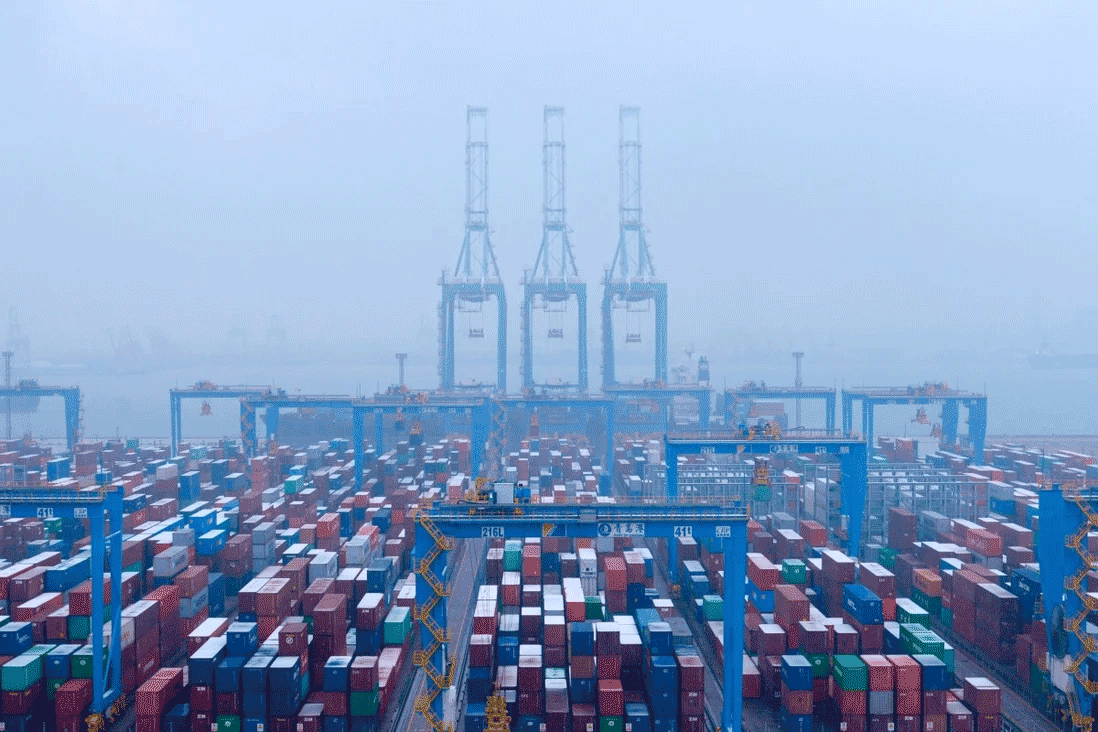
Is finding the right Cambodian customs clearance agent the solution to all problems?However,80% of enterprises fail due to the "agent-client collaboration blind spot".Last quarter,I helped three clients importing building materials deal with customs clearance delays.The reason wasn’t that the agents were unprofessional,but that the two parties hadn’t clarified the "responsibility boundaries": the agent assumed the company would confirm the HS code in advance,while the company thought the agent would handle the commodity inspection.As a result,the goods were stuck at Sihanoukville Port for 12 days,with daily storage fees reaching up to $200 and additional penalties,totaling over 30,000 RMB in extra costs.
The "collaboration blind spot" of Cambodian customs clearance agents: It’s not that the agents are incompetent,but that you haven’t clarified these three boundaries
The core conflict in Cambodian customs clearance is not the "professionalism of agents",but the "information gap" - companies do not understand the local rules of Cambodian customs (such as the need to combine HS codes with the Cambodian Customs Code).(Adjustment to the Product Catalog),and the agents are not familiar with the product details of the enterprise (for example,whether "refractory materials" in building materials belong to the category of goods subject to mandatory inspection by the commodity inspection authority).This information gap can lead to a "responsibility vacuum",ultimately resulting in the enterprise bearing the costs.Below are the three most common collaboration pitfalls I have summarized,along with their solutions:
| Common Collaboration Misconceptions | Potential Risks | The correct approach |
|---|---|---|
| The company authorizes the agent to be fully responsible for the classification of HS codes. | Coding errors may result in overpayment of tariffs (up to 30%) or the seizure of goods (which require re-inspection). | The company provides detailed information about the product’s material,usage,and production process.The agent verifies the information according to the Cambodian HS Code Catalogue,and both parties sign and confirm it before submitting the declaration. |
| Ignore the "local resource coverage" of the agent. | The agent can only cover Phnom Penh Port.For customs clearance in remote ports (such as Kampot Port),you need to transfer the entrustment to another agent,which doubles the risk of delay | Require the agent to provide the "customs clearance cases of the past six months" for the target port (including the bill of lading number and the customs clearance time),and confirm that they have a direct team in the local area. |
| I’m not clear about the "responsibility division of the commodity inspection materials". | The "Quality Inspection Report" required by the commodity inspection is missing,so the goods cannot be removed from the port (the Cambodian Commodity Inspection Bureau inspects building materials and food products most strictly). | Before signing the contract,it should be clearly stated that the enterprise shall provide the product specification and the inspection report,and the agent shall be responsible for submitting them to the commodity inspection bureau and following up on the review results.Both parties shall keep pace with each other in the process |
CambodiaAgent Collaboration SOP: A 5-Step Closed-Loop Process from Selection to Use
Step 1: “3 Qualification Checks” Before Screening Agents Output:
- Check"CambodiaCustomsFilingCertificate":requiretheagenttoprovideavalid"CustomsBrokerLicense"andconfirmthenumberissearchableontheCambodiaCustomsofficialwebsite(www.customs.gov.kh);
- Nuclear"LocalCaseCoverage":Requestthe"customsclearancecasesofthepastthreemonths"fortargetports(suchasSihanoukvillePortandPhnomPenhPort),withafocusonthe"dwelltimeinport"(normally2-3days);
- Questionabout"emergencyresources":Confirmthattheagenthas"communicationchannels"withtheCambodiancustomsandcommodityinspectionbureaus,andisabletohandleemergencies(suchasmakingrapidappealsaftergoodsaredetained).
Step 2: Clarify the "5 Responsibility Boundaries" before signing the contract. Output:
- HSCodeClassification:Theenterpriseprovidesaccurateproductinformation,andtheagentchecksandconfirmsitaftersigningtheagreement.Ifanylossesoccurduetoincorrectcoding,compensationwillbepaidaccordingtotheproportionofresponsibility;
- Commodityinspectionmaterials:Theenterpriseisresponsibleforprovidingthe"QualityInspectionReport"andotherrelevantdocuments.ForFormE,theagentisresponsibleforsubmittingittotheCommodityInspectionBureauandfollowinguponthereviewprocess(withprogressupdatesprovidedwithin24hours);
- Portfees:Clarifytheresponsibilityfor"storagefees"and"demurragefees"–ifthedelayincustomsclearanceiscausedbytheagent,theagentshallbear50%ofthefees;
- Inspectioncooperation:Ifthecustomsrequiresaninspectionofthecargo,theagentshallnotifytheenterprisewithinonehour,andtheenterpriseshallsendpersonnelorauthorizetheagenttohandletheinspection;
- Anomalousresponse:Agentsarerequiredtoestablisha"24-houremergencygroup",whichincludesenterprisecontactpersons,agentcustomsclearancesupervisors,andlocaloperationteamsinCambodia.
Step 3: "Double Check List" before Customs Clearance Output:
Output:
- HSCodeClassification:Theenterpriseprovidesaccurateproductinformation,andtheagentchecksandconfirmsitaftersigningtheagreement.Ifanylossesoccurduetoincorrectcoding,compensationwillbepaidaccordingtotheproportionofresponsibility;
- Commodityinspectionmaterials:Theenterpriseisresponsibleforprovidingthe"QualityInspectionReport"andotherrelevantdocuments.ForFormE,theagentisresponsibleforsubmittingittotheCommodityInspectionBureauandfollowinguponthereviewprocess(withprogressupdatesprovidedwithin24hours);
- Portfees:Clarifytheresponsibilityfor"storagefees"and"demurragefees"–ifthedelayincustomsclearanceiscausedbytheagent,theagentshallbear50%ofthefees;
- Inspectioncooperation:Ifthecustomsrequiresaninspectionofthecargo,theagentshallnotifytheenterprisewithinonehour,andtheenterpriseshallsendpersonnelorauthorizetheagenttohandletheinspection;
- Anomalousresponse:Agentsarerequiredtoestablisha"24-houremergencygroup",whichincludesenterprisecontactpersons,agentcustomsclearancesupervisors,andlocaloperationteamsinCambodia.
Step 3: "Double Check List" before Customs Clearance Output:
Three days before the goods arrive at the port,both parties need to complete the following confirmations to avoid delays caused by "information asymmetry":
- HSCodeConfirmationLetter:Theagentgeneratesacodebasedontheproductinformationprovidedbytheenterprise,andtheenterprisesignsandstampsitforretention;
- Checkthecompletenessofthecommodityinspectiondocuments:Theagentcheckswhetherthe"CertificateofOrigin"andthe"QualityInspectionReport"complywiththerequirementsoftheCambodianBureauofInspectionandQuarantine(forexample,thereportmustbeartheCNASorILAClogo);
- Portdockingconfirmation:Theagentinformsthecompanyofthe"contactpersonafterthegoodsarriveattheport"(name,phonenumber,andemail),ensuringthattheycancommunicatedirectlyincaseofanyabnormalsituations.
More important than "choosing the right agent": Gaining control over "hidden costs"
Many companies overlook a crucial point: the "hidden costs" of customs clearance in Cambodia (storage fees,demurrage charges,and urgent inspection fees) are often higher than tariffs.At the end of last month,I helped a client who imports furniture calculate the costs: the goods were stuck at the port for 7 days,with storage fees amounting to $1,400 and demurrage charges totaling $800,while the tariffs only came to $3,000.To control these costs,you need to add two "lifesaving clauses" to your contract:
- "DelayCompensationClause":Ifthecustomsclearanceisdelayedformorethan48hoursduetotheagent’sreasons,theagentshallbear50%ofthestoragefeesanddemurragefeesperday;
- "UrgentFeeConfirmationMechanism":Ifanurgentinspectionisrequired(normally3days,urgent1day),theagentmustinformtheenterpriseofthefees24hoursinadvance(usually1.5timesthenormalfees),andtheinspectionwillbecarriedoutaftertheenterpriseconfirmsit.
Additionally,I suggest you ask your agent to provide a "customs clearance progress visualization report" - updating the cargo status (arrival at port,declaration,inspection,and pickup) daily.This way,you can anticipate potential delays in advance.For example,if you see that "the declaration has been submitted but the commodity inspection failed," you can immediately provide additional information rather than waiting for the agent to notify you.
3 things you can do today to minimize customs clearance risks
- TakeoutyourcurrentCambodiancustomsclearanceagencycontractandcheckwhetherthereareclauseson"liabilityboundaries"and"delaycompensation".Ifnot,signasupplementarycontractwiththeagencytomorrow.
- Asktheagentfor"customsclearancecasesofthepastsixmonths",andfocusontheoperationrecordsofthe"targetports"toconfirmthattheycovertheportsyouwanttoimportfrom.
- Organizethelistofgoodstobeimportednext,listingtheproductmaterials,uses,andprocesses.I’llchecktheHScodeswiththeagenttomorrow.
Was this helpful? Give us a like!
Contact our experts for compliance audits, precise quotes, and one-stop customs support.
Recent Comments (0) 0
Leave a Reply