
Guide to Avoid Pitfalls When Selecting Import Customs Clearance Software: Don't Let Digitalization Become an Efficiency Black Hole
or complex compliance issues.
clearance and fund security.
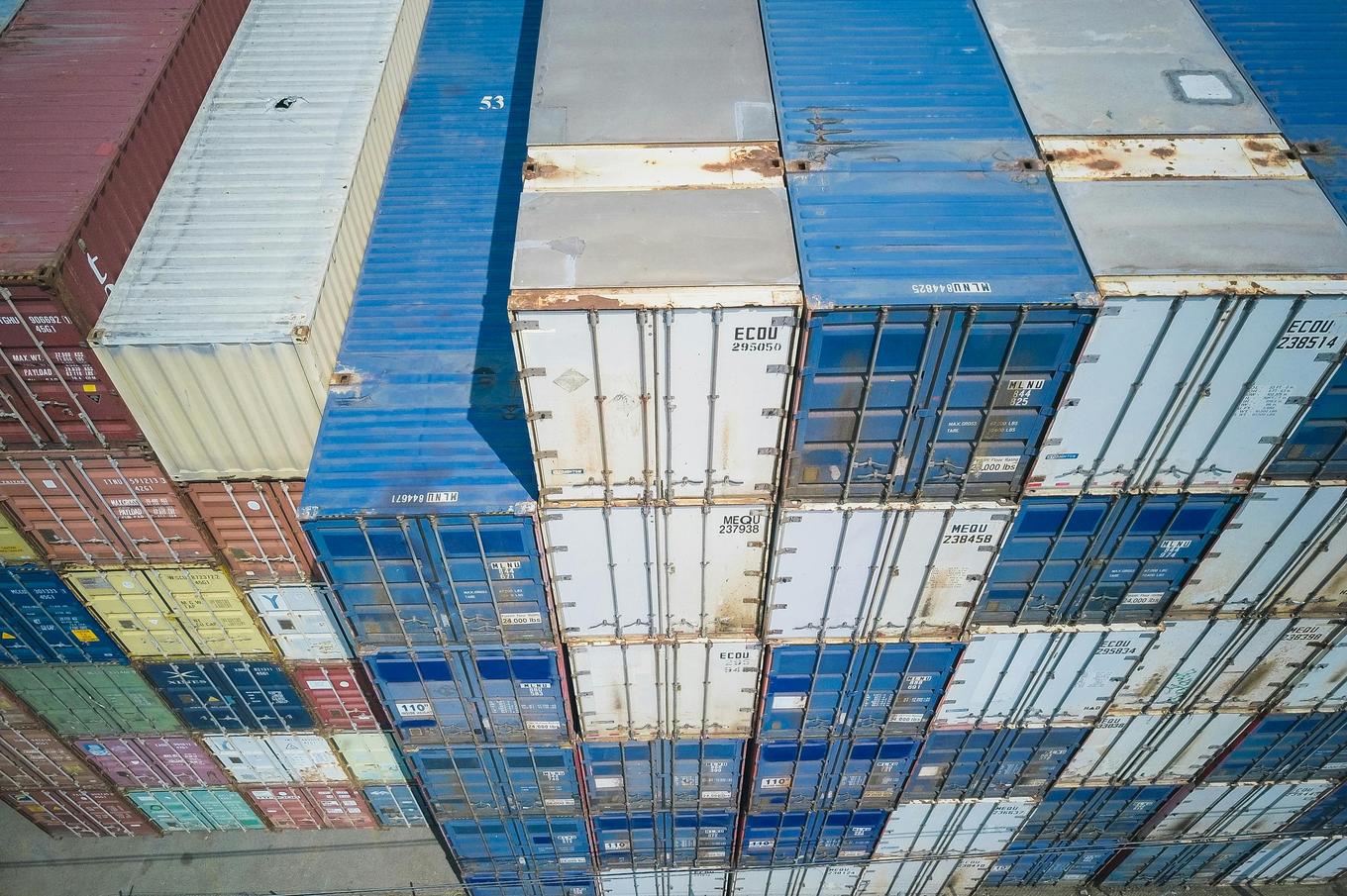
Do you think buying a SaaS solution can solve the problem of low customs clearance efficiency?90% of freight forwarders and trading companies stumble into pitfalls in the first step of digital transformation: they try to use software to "fix" their originally chaotic processes,only to turn "human errors" into "systematic disasters".In import agency business,the core value of software has never been "entering electronic records",but rather optimizing the overall efficiency of the import process and improving the accuracy of customs declaration information.Customs supervision conditionsandLogistics elementsThe key to building a high-quality software system lies in the precise control of its underlying logic.If the underlying logic is flawed,even the most expensive system will only accelerate its collapse.
Why Your ERP Cannot Replace Professional Customs Clearance Systems | Logic Analysis
Many operations directors ask me,"The company already has SAP or Oracle,so why do we still need an independent customs clearance management module?" This is a typical cognitive misconception.The core of ERP is finance and inventory,focusing on "value" and "quantity"; while the core of the customs clearance system isCompliance and TimelinessThe focus is on the "HS code classification logic","regulation document linkage",and "data interaction of the single window".
| Functional Dimension | General ERP modules | Professional customs clearance management software | Core differences |
|---|---|---|---|
| Product classification management | Static material codes only record the name and unit price | Dynamic HS classification engine,including CIQ inspection and quarantine logic | Can we automatically verify regulatory conditions (such as A: Import Goods Customs Declaration)? |
| Document preparation | Manually fill in the information or export it using a simple template | Intelligent anti-fill and logic error checking based on "manifest + contract". | Intercepting Errors Like Weight Inversion Before Declaration | Accuracy Control |
| Status Tracking | Depend on manual entry nodes | The API is connected to the "Single Window" system and updates the customs status in real time | Visualizing Timeliness from Release to Customs Completion | Process Transparency |
| Cost Settlement | Monthly financial invoice | Correlate the miscellaneous fees (port charges,inspection fees,storage fees) with each customs declaration form. | Can we achieve a fine-grained accounting of the profit from each ticket? |
Implement the standardized SOP for customs clearance software
Don’t expect software vendors to magically understand your business.Before the system goes live,you must organize the business flow according to the following steps,otherwise the system will be paralyzed once it goes live.
Step 1: Establish a "Product Element Database" instead of a simple material list. Output:
This is the root cause of all system crashes.You need to break down all the products in the historical customs declarations into the smallest granularity.
- Cleanupthemandatoryfields:EnsurethateachSKUcorrespondstoanaccurate10-digitHScodeanddeclarationelements(suchasbrand,model,use,andmaterial).
- Unitconversionlogic:Definethefirstandsecondlegalunitsofmeasurementandformalizetheautomaticconversionformulawithinthesystem(toavoidlogicalerrorsintherelationshipbetweenquantitiesandtheirunits).
Step 2: Configure the "rule engine" to replace manual review Output:
The power of software lies in "prevention in advance".Set strong validation rules in the system background:
- Pricelogicverification:Setathresholdforpricefluctuation(e.g.triggeranalertifthepriceexceedsthehistoricalaverageby±20%),topreventcustomsinspectionscausedbyabnormalprices.
- Logicalrelationshipverification:Itismandatorytorequirethat"thegrossweightmustbegreaterthanthenetweight",and"thenumberofitemsandthetotalweightmustmatcheachother".
- Documentlinkageverification:WhentheHScodeinvolves3Ccertification,thesystemmustmandatorilyuploadthecertificatenumber,otherwise,itwillbeimpossibletogeneratethemessage.
Step 3: Connect the "Single Window" with the logistics provider’s data Output:
True automation is imperceptible.
- Cargomanifestdatacapture:Thesystemshouldbeabletoautomaticallyretrievebookinglistinformationviatheshippingcompany’sAPIorbillofladingnumber,reducingmanualinputby90%.
- Writebackthestatus:Ensurethatthesystempollsthecustomsstatusevery10minutes.Oncethestatuschangesto"customsreview"or"manualinspection",analertwillbeimmediatelytriggeredviaWeChat/emailandsenttotheoperator.
Data Value of Inspection Rates | Overlooked Compliance Insights
This is an invisible value that outsiders rarely notice.Most bosses only focus on whether the software is "fast",but senior consultants pay more attention to whether it is "stable".An excellent customs clearance software must possess the following characteristics:Data analysis and review functionYou need to regularly export data and analyze the distribution of inspection rates for different ports,different declaration times,and different HS codes.For example,if the data shows that the inspection rate for a certain type of chemical products at the Shanghai port is significantly higher than that at the Ningbo port,the logistics bidding strategy for the next quarter should be adjusted accordingly.Software is not just an operating tool,but also yournRisk Control RadarIn addition,it is essential to ensure that the system has the "operational log audit" function.When the customs holds the enterprise accountable,this is a key piece of evidence to prove that the enterprise "did not intentionally violate regulations".
3 things you can do this afternoon
Don’t wait for next week’s budget meeting—start optimizing today!
- Exportreview:Exportallrecordsof"returnedorders"or"amendedorders"bythecustomsinthepastsixmonths,andcounthowmanyofthemaredueto"irregulardeclarationelements"or"logicalerrors".ThisisthebasisforcalculatingtheROIofpurchasingthesoftware.
- InventoryElements:Output:Identifythetop10SKUswiththehighestdeclarationvolumeinyourcompanyandcheckwhetheryoucanimmediatelylistalltheircustomsdeclarationelementsinfull(e.g.ingredientcontent,processingdegree,etc.).Thosethatyoucan’tanswerwillbecomepotentialsystemrisksinthefuture.
- TestAPI:ContactyourcurrentcustomsbrokerorsoftwareproviderandaskiftheysupportthestandardAPIinterfaceforthe"SingleWindow"system.Iftheydon’t,considerreplacingthemassoonaspossible,asmanualdataentryisthebiggestcosttrap.
Was this helpful? Give us a like!
Contact our experts for compliance audits, precise quotes, and one-stop customs support.
Recent Comments (0) 0
Leave a Reply