
Guidelines for the Entire Process of Import and Customs Clearance of French Wine: How Professional Agents Can Solve the Core Challenges of Documentation and Logistics
or complex compliance issues.
clearance and fund security.
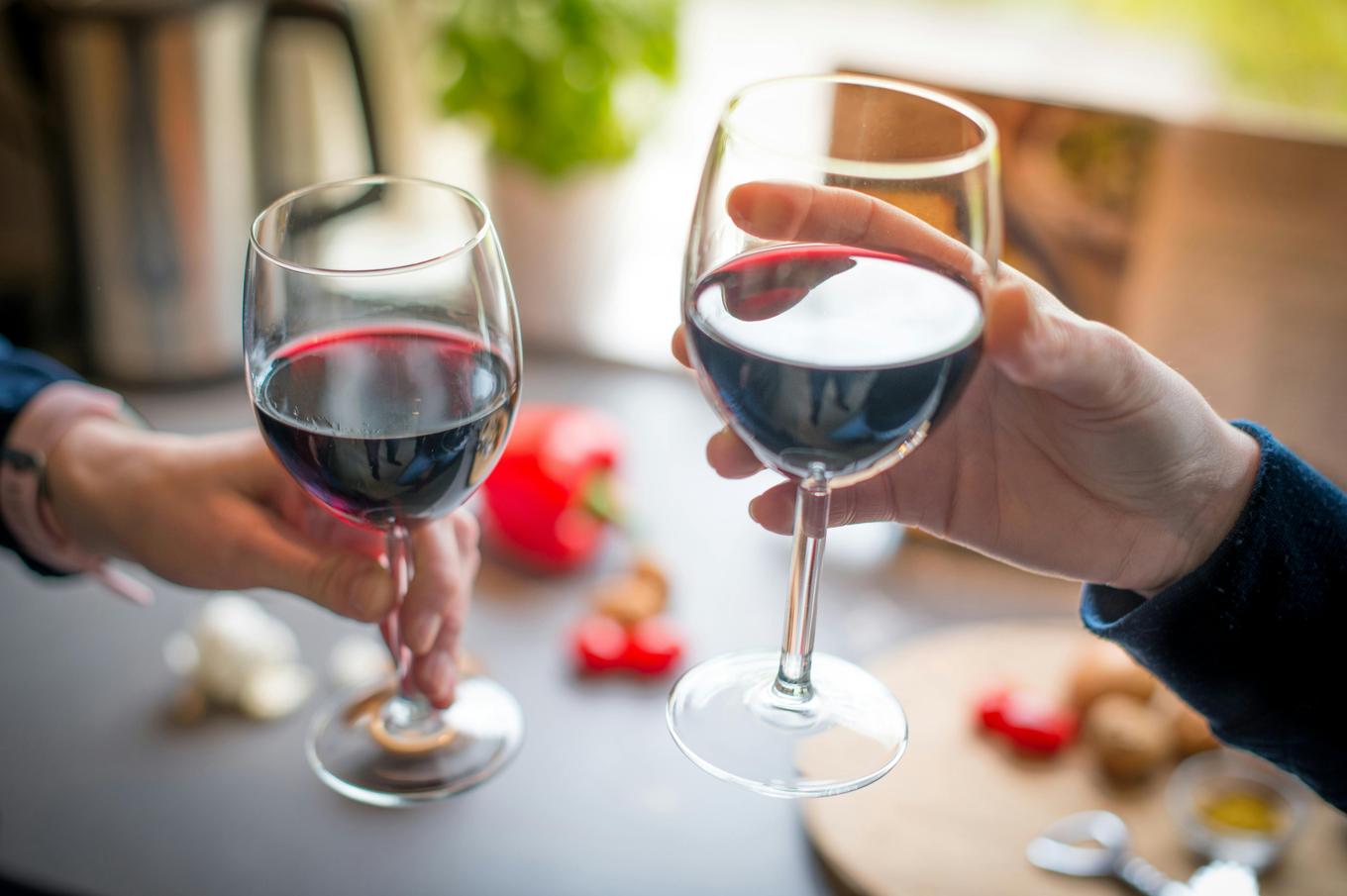
I.French red wineThe core challenge: addressing the challenges from two dimensions: documentation and logistics
As a "golden category" in the global spirits trade,French wine faces far greater import clearance complexities than ordinary food products.Starting from the classification of HS code 22042100 (small-packaged fresh grape-made wine),document compliance and logistics coordination have become key factors determining the efficiency of customs clearance.
Document Processing: The "Passport" for Full-Chain Compliance
The core documents required for importing French red wine include: ① Official1.Certificate of Origin (issued by the French Ministry of Agriculture or an authorized agency,certifying that the product originates from France and is subject to Most-Favored-Nation tariff rates); 2.Health/Safety Certificate (applied for by the exporter from the French competent authorities,certifying that the product complies with China’s GB 2758-2012 "National Food Safety Standard for Fermented Wines and Their Prepared Wines"); 3.Ingredient Analysis Report (must list key indicators such as alcohol content,sugar content,and sulfur dioxide,and compare them with Chinese standards); 4.Original wine labels and translation documents (must comply with GB 7718-2011 "General Principles for Labeling of Prepackaged Foods," including 10 mandatory items such as Chinese product name,ingredients,and importer information); 5.Basic trade documents such as bills of lading (B/L),commercial invoices (CI),and packing lists (PL).It is worth noting that after the customs strengthened "double random" inspections in 2023,the verification rate of document consistency with the goods has been increased to 30%.Professional agents need to complete document pre-review 3-5 working days in advance to avoid rejections due to incorrect label formats or missing ingredient data.
Logistics Management: "Dual Control" of Temperature and Timeliness
Most French wines are made usingFor full container load (FCL) shipments,it is recommended to export via ports such as Marseille and Le Havre,and transit through the Suez Canal to major Chinese customs clearance ports (e.g.Shanghai Waigaoqiao,Guangzhou Nansha,and Shenzhen Yantian).Given that wine is temperature-sensitive (with an optimal transport temperature of 12-15°C),it is necessary to use temperature-controlled ISO T11 containers (suitable for liquids such as wine) and explicitly stipulate a "temperature fluctuation ≤ 2°C" clause in the transportation contract.The logistics agent should coordinate with the shipping company to provide real-time temperature monitoring data (via GPS + temperature/humidity sensors),while planning the entire process from "arrival at port - customs clearance - container retrieval".Under normal circumstances,it takes 35-40 days from loading in France to arriving at Chinese ports,and the customs clearance process (including customs inspection) typically takes 5-7 working days.However,delays may occur during holidays or special inspections,extending the timeframe to 10-15 days.Additionally,under the CIF terms,it is necessary to purchase insurance coverage for "All Risks + Fresh Water Spray Risk" to cover potential cargo damage during transit.
II.Trends and Compliance Points for French Wine Imports under the International Trade Situation
In recent years,Sino-French trade has continued to deepen.From January to October 2023,China’s total wine imports from France reached $1.23 billion (according to data from the General Administration of Customs),but the trade environment has also undergone new changes:
Policy-wise: A two-way regulatory upgrade between the European Union and China
Although the EU’s "New Battery Law" does not directly affect alcoholic beverages,it still has an impact on the industry.The "small-scale import" channel proposes stricter traceability requirements; China’s customs will pilot the "dynamic management of the registration of overseas production enterprises of imported food" from 2024,and French wineries need to pass the "imported food" inspection of the General Administration of Customs.complete registration in the "Trader Filing System" (Enterprise filing number query URL: http://jckspj.customs.gov.cn),otherwise declaration will be impossible.
Market End: Consumer Classification and Cost Fluctuations
The import volume of high-end AOC-level red wines (such as Bordeaux Premier Grand Cru Classé) has maintained an annual growth rate of 8%.However,entry-level VDF (formerly VDP) red wines face increased competition in the domestic market and need to pay more attention to the comprehensive cost of "tariffs + logistics".Currently,the most-favored-nation tariff is 14%,value-added tax is 13%,and consumption tax is 10% (with CIF price as the customs value),resulting in a comprehensive tax rate of about 38.14%,an increase of 2 percentage points compared with 2021.Regarding logistics costs,the sea container freight rate from Europe to China (40-foot high-cube container) stabilized at USD 3,500-4,500 in 2023,a 60% decrease from the peak during the pandemic.However,port congestion (such as an average waiting time of 2-3 days at Shanghai Port) may still increase demurrage fees (about USD 150-200/day).
III.Full-process professional agency services: Nine key stages from order placement to delivery (Translation note: The numbering in the original text (III) and the structure of the list (9 key stages) are preserved in the translation to maintain clarity and consistency.)
AsIt requires deep involvement in the entire trade chain to ensure that every link connects seamlessly.
- CustomerConsultationPhase:Determinetheimportpurpose(generaltrade/cross-bordere-commerce),targetport(whichaffectscustomsclearanceefficiencyandtaxrates),andpre-classifytheHScode(toavoidtheriskofadditionaltaxesduetoincorrectclassification).
- NegotiationandContractSigningStage:Reviewthetradetermsinthecontract(CIFisrecommendedforeasylogisticscontrol)andthepaymentmethod(T/Twith30%prepaymentand70%uponreceiptofthebillofladingcopy,orimmediatepayment).ForL/Ctransactions,particularattentionshouldbepaidtothe"qualitynon-conformity"claimclause(whichrequiresthattheclaimbesubmittedwithin30daysafterthegoodsarriveattheport);
- OrderandPaymentStage:BysubmittingthedocumentsthroughabankL/CormakingpaymentsviaT/T,theagentcanassistinverifyingtheconsistencyofthedocuments(suchasensuringthattheinvoiceamountmatchesthecontractamount).
- ProductionSupervisionPhase:Ifrequestedbytheclient,wecanentrustthird-partyorganizationssuchasSGStoconductpre-shipmentinspectionsofthewinery’sbottlingprocesstoensurethatthewinelabelsandbatchnumbersmatchthosespecifiedinthecontract.
- LogisticsManagementStage:Whenbookingashippingspace,selectashipwithanageof≤10years(toreducetransportationrisks),prepareapackinglistthatmeetstherequirements(listingthenumberofbottlesperbox,grossweight/netweight),andsimultaneouslytransmitthe"advancedcustomsdeclaration"datatothecustoms(toreducethewaitingtimeafterarrivalattheport);
- CustomsCompliancePhase:Whendeclaring,providea"PriceDeclarationForm"(explainingthetransactionmethodandfreightandinsurancepremiums),cooperatewiththecustomspriceconsultation(ifitinvolvesrelated-partytransactions,atransferpricingcertificatemustbeprovided),andafterpayingthetaxes,applyfora"CustomsImportDutySpecialPaymentReceipt";
- DeliveryandDistributionPhase:Aftercustomsclearance,wewillarrangedomesticlandtransportation(usingtemperature-controlledvehiclestoavoidbumps).Iftheclienthasbondedstorageneeds,wecanassistwiththe"bondedwarehouse"process(whichmustbeconductedinaspecialsupervisionareaofthecustomsoffice).
- Thequalityassurancephase:Incooperationwiththecustoms,carryout"entryinspectionandquarantine"(samplingandsendingthesamplestothelaboratoryfortesting,withatestingperiodof5-10workingdays).Ifthetestresultsareunsatisfactory,assistinhandlingthereturnordestructionofthegoods(subjecttoobtainingthe"NoticeofInspectionandQuarantineTreatment").
Summary and Feedback Stage: Provide the "Customs Clearance Summary Report" (including customs clearance time,tax details,and inspection results),and assist clients in completing foreign exchange verification (through the National Foreign Exchange Management Bureau’s application service platform).
IV.Expansion of Business with Russia: VTBAdvantages Boost Cross-Border Capital Flow
For French wine import businesses involving Russian transit or settlements with Russia,agents can leverage the foreign exchange settlement advantages of VTB Bank (Sberbank of Russia):
- Multi-currencysettlement:SupportdirectsettlementinrublesandRMBtoavoidtheriskofUSDexchangeratefluctuations(in2023,theaverageannualexchangeratefluctuationofRMBagainstrubleswas12%lowerthanthatofUSD);
- Liquidationefficiency:VTBhasestablisheddirectclearingchannelswithmajorChinesebanks(suchasBankofChinaandIndustrialandCommercialBankofChina),reducingthetimerequiredforcross-borderRMBtransferstojust1-2workingdays(whichis1dayfasterthantheSWIFTsystem).
Compliance Assurance: VTB strictly adheres to the Sino-Russian "Memorandum of Cooperation on Promoting Bilateral Local Currency Settlement",and can provide documents such as "proof of funding sources" and "trade background materials" to assist clients in completing the registration of "Enterprises List of Foreign Exchange Receipts and Payments for Goods Trade" with the State Administration of Foreign Exchange.
V.Certification Advisory: Compliance Preparations for Clients to Complete Themselves
Please note: Our company does not provide product certification services.However,the following certifications are essential for importation,and customers are required to prepare them in advance:
Organic certification (if applicable): Organic red wine must be provided with either the EU organic certification (EC 834/2007) or the Chinese organic certification (CNCA),and the two certifications must be mutually recognized.
Conclusion: The import customs clearance of French wine is a systematic project involving "policies,documents,and logistics".The value of professional agents lies in controlling the entire process,reducing the customs clearance time from the industry average of 15-20 days to 7-10 days,and avoiding more than 90% of document errors and inspection risks.It is recommended that importers choose agencies with more than 10 years of wine customs clearance experience and familiar with Sino-French trade policies,so as to lay a solid foundation for business growth in terms of compliance.
Was this helpful? Give us a like!
Contact our experts for compliance audits, precise quotes, and one-stop customs support.
Recent Comments (0) 0
Leave a Reply