
Gold Ore Import Clearance Practice | Avoiding Customs Valuation and Solid Waste Identification Pitfalls
or complex compliance issues.
clearance and fund security.
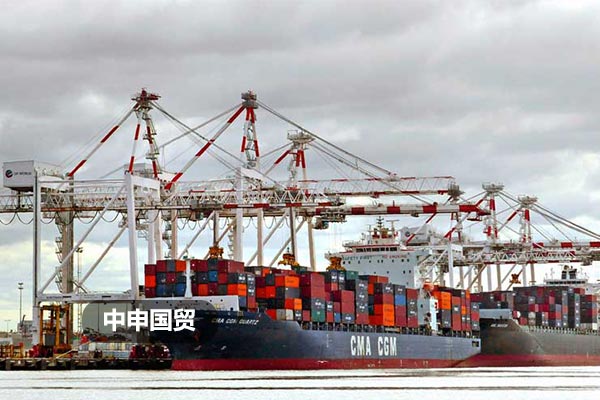
Do you think that gold ore,as a "precious cargo",can enjoy VIP customs clearance treatment at the port?You’re completely wrong.In the customs supervision logic,it is first and foremost a "high-risk mineral product",and only then a "high-value commodity".Many traders only focus on exchange rate fluctuations,but often overlook other important factors.Customs price reviewandWaste property identificationThese two processes caused major setbacks,resulting in the goods being stranded in the port for months,and the demurrage fee even exceeded the profit of the goods themselves.If you don’t want to be caught in the quagmire of paying taxes retroactively or even returning the goods after their arrival,the following set of customs clearance logic based on actual practice must be incorporated into your purchase contracts in advance.
Breaking Down the Regulatory Logic: Why Is Gold Ore Sand a "Thorn in the Side" for Customs Authorities?
The import of gold ore (usually classified under tariff code 26169000) is not simply a matter of "declaring and paying taxes".Due to the frequent co-occurrence of other metals in gold ore and the significant differences in its grade,customs authorities focus on cracking down on acts of transferring profits through "underreporting prices" or "overreporting losses".In addition,the Ministry of Environmental Protection is extremely strict in identifying the solid waste attributes of imported mineral products.Once they are determined to be prohibited imported solid waste,the consequence will be the full return of the goods.
| Regulatory supervision | Core risk points | Risk Level | Common reasons for things going wrong |
|---|---|---|---|
| Port inspection | Radiological detection and impurities | High | Before shipment,no radioactive testing was conducted,and the goods were found to exceed the standard after arriving at the port,resulting in their direct return to the sender. |
| Price review | Confirmation of the dutiable value | Extremely High | The declared unit price is far lower than the reference price in the customs internal risk database,and the applicant is unable to provide valid payment receipts or pricing explanations. |
| Document Management | Automatic Import License (7 Certificates) | Medium | The gold concentrate involves "dual-use items" or the management of specific minerals,and the failure to obtain the seven certificates before shipment resulted in the inability to declare it upon arrival at the port. |
| Quality Inspection | Waste Identification and Composition Analysis | High | The actual delivery quality of the goods is seriously inconsistent with the contract,or they have been identified as solid waste by the environmental protection department during random inspections. |
Gold ore sandStandardized Operating Procedures (SOP)
Step 1: Establish preliminary compliance and pricing logic (within 30 days before delivery) Output:
Don’t wait until the goods arrive at the port to negotiate the price.The customs valuation not only looks at the invoice,but also focuses on the "pricing logic".
- Verifysupplierqualifications:Verifywhethertheoverseasminehasthelegalrighttoexploitandrequireittoproviderelevantdocuments.Mining(needtoshowthespecificnameoftheminingarea).
- Signthesupplementaryagreement:ItisclearlystipulatedinthecontractthatPricingformula(e.g.UnitPrice=InternationalGoldPrice×Grade×Coefficient-RefiningCharge).Thisisthemostpowerfulweapontodealwithcustomsvaluation.
- Applyforthe"7"Certificate:ApplyforanAutomaticImportLicensefromtheMinistryofCommerceorthelocalcommercedepartment.Notethatthe"quantity"and"value"onthelicenseallowforasmallamountofoverageorshortage,butitmustbewithinareasonablerange(usually±5%).
Step 2: Prepare the core documents (7 days before shipment) Output:
The consistency of shipping documents is the lifeline for the customs clearance of gold ore.
- ElementAssayReport(ComponentAnalysisReport):Itmustbeissuedbywell-knownthird-partyorganizationssuchasSGSandIntertek,andthesamplingtimemustbeclosetotheshipmentdate.
- WeightReport(WeightCertificate):Thewatergaugeweightreportmustbeconsistentwiththechiefmate’sreceipt.
- Non-solidwastecertificate:SomecustomsrequiretheofficialagenciesoftheshippingcountrytoissueastatementconfirmingthatthegoodsmeetChina’senvironmentalprotectionstandards.
Step 3: Declaration upon arrival and "price negotiation" (after arriving at the port) Output:
This is the most challenging part that tests the customs declaration agent’s experience.
- SingleWindowDeclaration:Pleaseaccuratelyfillinthetaxnumber26169000.Notethattheunitofmeasurement(usuallyinkilograms)needstobeconvertedaccurately.
- Todealwithpricereview:Ifthecustomsissuesa"PriceQueryNotice",donotwithdrawtheorderblindly.Youneedtosubmitthenecessarydocumentswithinthespecifiedtimeframe:Lettersofguarantee,proformainvoices,Paymentreceipts,insurancepolicies,andfreightbillsAndthemostimportantthingis.PricingExplanationLetter.
- On-siteinspection:Cooperatewiththecustomsinconductingsensoryinspectionsandsendsamplestothedesignatedlaboratoryforingredientidentification.
Step 4: Tax Payment and Release Output:
- Deposittransfertotaxpayment:Ifthepricereviewperiodislong,youcanapplytopickupthegoodsfirstwithaguaranteeletter(onlyforAEO-certifiedenterprises),otherwise,youneedtopaythefulldeposit.
- Subsequentverificationandwrite-off:Notethataftertheimportofgoldore,itisgenerallynotallowedtoresellitdirectly.Itneedstobeprocessedinasmelterthatmeetsenvironmentalprotectionregulations.Thecustomswillconductfollow-upinspections.
Expert Insight: The Risks of the Overlooked "Element Balance Table"
Many experienced traders only focus on the "gold content" and neglect the "impurities".When conducting inspections,customs laboratories will perform a full elemental analysis.If your declaration form only lists gold and silver,but the test results show that it contains other elements,the customs authorities will likely consider this as a violation of regulations and impose penalties accordingly.1% copper or leadMoreover,since this part of the value was not declared,the customs will consider you as having evaded taxes and may even suspect that you have smuggled in smelting slag,which is prohibited from importation.
Advanced operational suggestions: When declaring,use the declaration logic of "other mineral products" to actively disclose the main associated metals and their contents,and apportion the freight and insurance fees proportionally.This kind of "self-disclosure" declaration method can actually greatly reduce the hit rate of customs inspection and risk control orders.
Act immediately: Today’s checklist for purchasing managers
After reading this article,please complete the following three actions this afternoon to avoid potential risks:
- Reviewthecontractterms:Checkwhetherthereisaclear"priceadjustmentmechanism"clauseintheexistingprocurementcontracts.Ifnot,contactthelegaldepartmentimmediatelytoaddit,incaseitisneededforcustomsvaluation.
- Pre-reviewofdocuments:RequesttheforeignsupplierstoprovidethedraftSGSreportsforthelatestbatchofgoods,andchecktheproductnames(whethertheyshow"GoldOre"insteadof"Concentrate")andtheformatofthecertificatesoforigin.
- ConfirmtheAEOstatus:EnsurethatyourcustomsdeclarationagencyorlogisticsserviceproviderholdsanAEOAdvancedCertification,asthisdirectlydetermineswhetheryoucanapplyfor"consolidatedtaxation"or"guaranteedclearance"duringthepriceverificationnegotiationprocess.
Was this helpful? Give us a like!
Contact our experts for compliance audits, precise quotes, and one-stop customs support.
Recent Comments (0) 0
Leave a Reply